This page is for people who are pregnant or who have a new baby and want clear, trusted information to help them understand what to expect and where to get support.
What we offer
The 0 to 19 service are told by your midwife that you are pregnant.
You are then provided with a 0 to 19 specialist public health nurse who is a nurse or midwife who will visit you at home.
We are here to help you and your family stay as healthy as possible.
Find out what to expect at your appointments before and after birth here.
Useful information
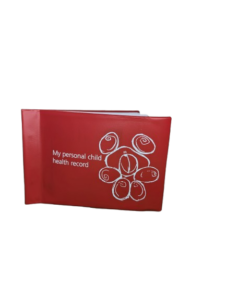
All expecting parents will receive a Personal Child Health Record (PCHR), also known as the Red Book.
The Red Book allows you to record:
your baby’s growth measurements
immunisations
new born screening results
developmental milestones
This is an important record that you and the professionals working with your family will use throughout your child’s early years.
It also includes:
useful information about local services
parenting advice and guidance
space to keep track of health appointments, support contacts and early development
Note: Take your Red Book with you to the hospital when you have your baby and to all health appointments after birth, including visits with your midwife, health visitor, GP, or any specialist services.
All births in England must be registered within 42 days (6 weeks) of your baby being born.
Where to register
You can register your baby’s birth:
At the local register office for the area where your baby was born.
In some hospitals, before you go home (staff will tell you if this is available).
At another register office, if needed they will send the information to the correct district (this is called registering by declaration).
Who can register the birth?
Married or civil‑partner parents:
Either parent can register alone.
Both parents’ details can be included.
Unmarried parents:
Both parents should attend together to include both names.
If the mother attends alone, the father’s details can only be added:
if he is present, or
via a signed legal declaration.
Information you will need to provide
The registrar will ask for:
baby’s date and place of birth
baby’s full name and sex
parents’ full names, addresses, places of birth and occupations
mother’s maiden name (if applicable)
Documents to bring
Bring at least one form of ID for each parent attending:
Passport
Driving licence
Birth certificate
Deed poll (if your name has changed)
Proof of address (utility bill or Council Tax bill)
Marriage or civil partnership certificate (if applicable)
You should also bring:
your baby’s Red Book (some registrars may ask to see it)