

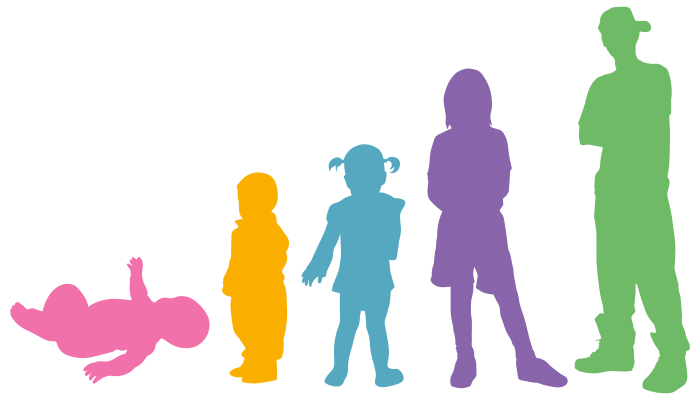
Safety for babies, toddlers and young people
This page brings together simple safety tips and trusted links so families can quickly find the right information when they need it to keep children safe.
Information on safety for babies, toddlers and young people
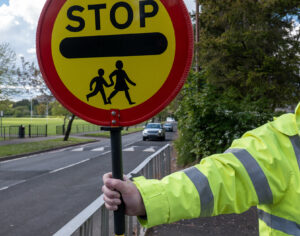
The 0 to 19 service works to prevent accidents and reduce the risk of injury for babies, children, and young people, helping them stay safe as they grow.
At every contact, we talk with you about how to keep your baby or child safe.
- This includes topics such as home safety, car seats, choking, burns, water safety, sleep, animal safety, button batteries, blind cords, and safe play.
- We offer simple advice and practical tips, and guide you to trusted websites for more information.
We’ve linked to three trusted websites with lots of safety advice.
You can also click on the sections below to find guidance on specific topics.
Royal Society for the Prevention of Accidents (RoSPA)

Visit the RoSPA: Accidents to children
Explains the most common causes of serious injuries in young children and how to prevent them.
Child Accident Prevention Trust (Capt)
Visit the Child Accident Prevention Trust: Child safety advice webpage
Practical, easy‑to‑follow safety advice on the main causes of accidents for babies, toddlers, children and young people.
West Yorkshire Healthier Together
Visit the West Yorkshire Healthier Together: Accidents and injuries at home webpage
Explains how to keep babies, toddlers and children safe at home with simple steps to help prevent the most common accidents.
More information on safety
Different NHS services can support you and your child in different ways.
Here is a simple guide to help you choose the best service for your child’s needs.
The West Yorkshire Healthier Together website also gives clear, simple advice which helps you decide when to care for your child at home, when to get advice, and when to get help straight away (For 0 to 5 year olds).
Pharmacy First: Minor illnesses and injuries
- Your local pharmacy can help with minor illnesses. You do not need a GP appointment.
- Visit your local pharmacy and ask for advice. The pharmacist will ask about symptoms and guide you to the best next step.
- Find your local pharmacy
GP practice
- Contact your GP practice for non‑urgent conditions.
- Find a GP practice
NHS 111

- If you’re unsure what to do, need urgent advice, or your GP practice is closed, call 111 or visit NHS 111 website
- NHS: When to use 111
- (Use the phone service for children under 5<.)
Walk‑in Centre (Shakespeare Medical Centre)
- Walk‑in centres are for urgent problems that don’t need A&E.
- Before attending, you should call NHS 111 or the centre for an initial assessment, and they will tell you when to come in.
- Call 0113 295 1132 (opening times: 8am to 8pm every day (including all bank holidays).
- To find out more visit Walk in Centres.
Urgent Treatment Centre (UTC)
- For urgent, non‑life‑threatening injuries and illnesses that need same‑day care.
- They are open every day from 8am to 11pm, including bank holidays.
- You can walk in without an appointment, but NHS Leeds recommends calling NHS 111 first so they can advise on the best place to go.
- For full details visit Urgent treatment centres
Emergency department or call 999
Babies learn by moving, reaching, rolling and putting things in their mouths.
At this age, safety is mostly about supervision and creating a safe environment.
Some key safety areas for babies
Safe sleep
Follow Safe Sleep guidance for every sleep
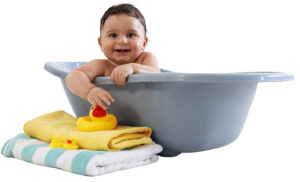
Bathtime
Bath safety never leave baby, stay within arm’s reach

Choking risks
Keep items such as nappy sacks, small toys, coins, blind cords, button batteries away from babies
Burns and scalds
Keep hot drinks, radiators, kettles, iron cords out of reach.
Safe feeding
Never prop feed your baby and follow introducing solid foods safety advice.
Tummy time safety
Always supervise

Slings and carriers
Follow the T.I.C.K.S. safety guidance

Secure the home
Use stair gates, furniture fixed to walls, window locks
Laundry capsules and cleaning products
Keep these locked away take action today
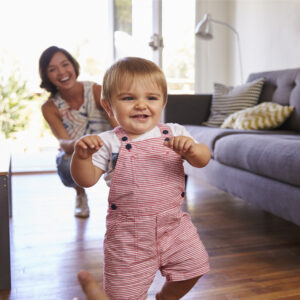
Toddlers explore the world through movement.
Injuries often happen when they climb, reach, copy adults or put things in their mouths.
Some key safety areas for toddlers
Falls
Stair gates, clear floors, secure furniture

Water safety
Ponds, paddling pools, baths (never leave them)
Choking
Cut grapes, tomatoes lengthways, avoid whole nuts

Burns or scalds
Hot drinks, cooker fronts, irons, radiators.
Kitchen safety
Handles turned in, kettles placed back.
Blind cords
Always tied up out of reach.
Animal safety
Always supervise around pets.
Risks of swallowing harmful items
Medicines, batteries, magnets, cleaning products locked away.

Play safety
Age‑appropriate toys, no small parts.
Suffocation risks
Nappy sacks, plastic bags, pillows, bean bags.
Children start becoming more independent and spend more time playing away from adults.
Some key safety areas for school aged children
Road safety
Stop, look, and listen.
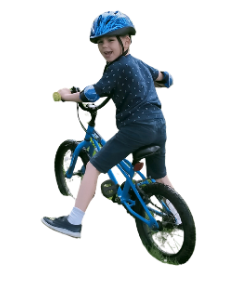
Scooters and bikes
Wear helmets.

Kitchen involvement
Safe supervised cooking.
Water safety
Swimming lessons, safe bathing.
Playground safety
Age‑appropriate equipment.
Online safety
Knowing trusted adults.
Home safety
Matches, lighters, radiators, chargers out of reach.
Teens gain independence and may take more risks.
Some key safety areas for young people
Online safety
Screens and social media.
Travel safety
Buses, roads, cycling.
Fire safety
Cooking, candles, chargers.
Mental health and sleep routines

Peer pressure
Decision‑making skills
Being home alone
Safe boundaries.
Areas of safety
BBC Tiny Happy People

Read the BBC Tiny Happy People: Baby‑proofing your home webpage
Practical tips from a health visitor.
Leeds Safeguarding Children Partnership (LSCP)

Read the Leeds Safeguarding Children Partnership: Blind cord safety webpage
Explains the serious risks posed by window blind cords and chains.
It offers practical steps to keep children safe including:
- keeping cords out of reach
- removing loops
- moving furniture away from windows
- securing cords with safety devices
- choosing cordless blinds where possible.
The page also links to further guidance and translated safety videos.
The Child Accident Prevention Trust

Read the The Child Accident Prevention Trust: Button battery safety webpage
Explains why button batteries can be extremely dangerous if swallowed and how to keep children safe. Their page includes clear guidance on:
- spotting the risks,
- storing batteries safely
- choosing safer products
- what to do immediately if you think a child has swallowed a battery
Good Egg Car Safety

Visit the Good Egg Car Safety webpage
Provides trusted, independent advice to help families choose, fit and use car seats safely from birth through to older childhood.
Their website offers
- step‑by‑step fitting guides
- checking tools
- common mistakes to avoid
- expert videos to help keep babies and children safe when travelling in the car.
Child Accident Prevention Trust

The Choking Prevention (CAPT) website provides practical, trusted advice on how to prevent choking in babies and young children. Their guidance explains which foods pose the greatest risk, how to cut food safely, what small household items to avoid, and key steps such as staying with children while they eat and encouraging them to sit still.
West Yorkshire Fire and Rescue (Safe and well visits): Free home‑safety visits offering personalised advice and smoke alarm checks.
National Society for the Prevention of Cruelty to Children
Read the NSPCC: Keeping children safe online webpage.
Advice to help parents and carers keep children safe online.
Their guidance includes information on
- apps
- games
- parental controls
- screen time
- online bullying
- grooming
- sharing images
- AI
- how to talk to children about staying safe.
They also share practical steps for setting up devices safely and supporting online wellbeing.
UK Safer Internet Centre: Parents and carers offers practical tips, guides and resources to help parents and carers keep children safe online. Their advice covers phones, tablets, laptops, smart speakers, consoles and social media, along with conversation starters, reporting guidance, screen‑time support and advice on online risks such as cyberbullying.
Young Minds
Visit the YoungMinds website
Easy‑to‑understand guidance to help parents talk to their child about social media, online pressures and staying safe online.
National Society for the Prevention of Cruelty to Children
Visit the NSPCC: PANTS (The underwear rule) webpage.
Helps parents teach children that their body belongs to them, and that they should speak up if anything makes them feel worried or unsafe. It offers simple, age‑appropriate messages to help children understand privacy, boundaries and consent, along with songs, videos and guides for parents and carers.

THINK: Road safety education resources provides free road‑safety resources for all ages, including lesson plans, films, games and educator guides. Materials are grouped for ages 3 to 6, 7 to 12 and 13 to 16, making it easy to support children and young people to become safer and more aware when travelling near roads.
0 to 19 public health integrated nursing service

Read more on our 0 to 19 staying safe page about domestic abuse, it explains how domestic abuse can affect babies, children, young people and parents, and where to get confidential help and support. It includes clear information on different types of abuse, how it can impact health and wellbeing, and details of local and national services you can contact if you are worried about your safety or someone else’s.
The Lullaby Trust

The The Lullaby Trust: Baby safety and safer sleep webpage provides research‑based advice on safer sleep, reducing the risk of sudden infant death syndrome (SIDS), safe sleep products and sling safety.
Royal Society for the Prevention of Accidents (RoSPA)

Visit RoSPA: Accidents to children
Explains the most common causes of serious injuries in young children and how to prevent them.
It includes clear information on falls, burns and scalds, poisoning, choking, suffocation, strangulation (including blind cords), drowning, glass injuries and kitchen hazards, as well as when and where accidents are most likely to happen.
Child Accident Prevention Trust (Capt)

Visit the Child Accident Prevention Trust (CAPT): Child Safety Advice webpage.
Offers practical, easy‑to‑follow safety advice on the main causes of accidents for babies, toddlers, children and young people.
West Yorkshire Healthier Together

The WY Healthier Together: Toy safety webpage advice on choosing safe toys and reducing choking risks.
Royal Society for the Prevention of Accidents (RoSPA)

Visit the RoSPA’s: Accidents to children webpage.
Child Accident Prevention Trust

Visit the Child Accident Prevention Trust (CAPT): Child Safety Advice website