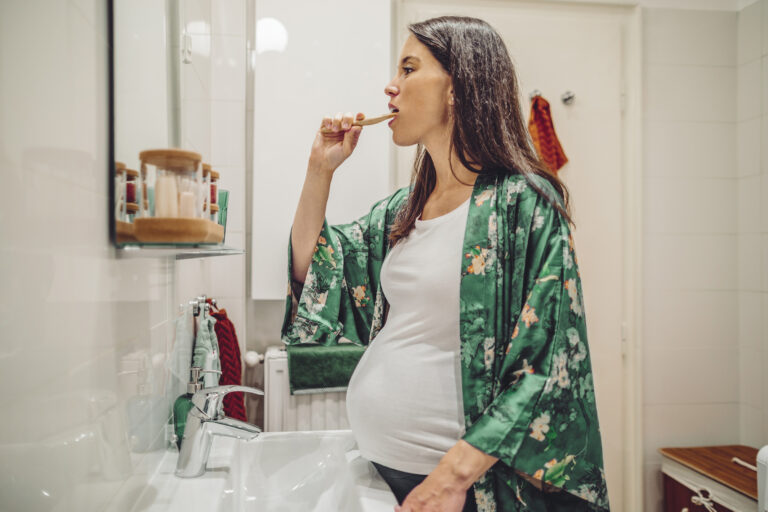


This page explains how the Leeds 0 to 19 PHINS Oral Health team supports children, young people and families to keep their teeth healthy. It introduces key oral health messages and the programmes we deliver across the city.
Improving oral health for children and families
The Leeds 0 to 19 PHINS Oral Health team works across the city to help children, young people, and families look after their teeth and gums.

We provide evidence‑based programmes that focus on:
preventing tooth decay
helping families build healthy oral‑health habits
Our aim is to support good oral health from pregnancy through to young adulthood, so every child can grow, learn, and smile with confidence.
What we do
The Leeds 0 to 19 PHINS Oral Health team delivers:
Supervised Toothbrushing Scheme: Helping children build strong brushing habits in some nurseries, schools and SILC settings.
Community events: Sharing key oral health messages across Leeds.
Professional training: Providing training so staff can support families with clear, evidence‑based oral health information.
Why good oral health matters
Healthy teeth and gums are an important part of a child or young person’s overall health and wellbeing. Good oral health helps them to:
eat, sleep and speak comfortably
enjoy a healthy and varied diet
grow and develop without pain or infection
feel confident about their smile
avoid missing nursery or school
reduce the need for dental treatment, including extractions
Building good habits early supports lifelong dental health and helps prevent tooth decay.
Oral health: Myths, FAQs and facts
Myth: “Baby teeth don’t matter.”
Fact: Baby teeth are very important. They help children:
eat and chew safely
speak and learn phonics
smile, make friends and feel confident
avoid pain and infection
attend nursery and school
hold the correct space for adult teeth and prevent overcrowding
Tooth decay in baby teeth can cause pain, missed school days, and early extractions, and it is mostly preventable.
Should I wait to brush my baby’s teeth until all their teeth are through?
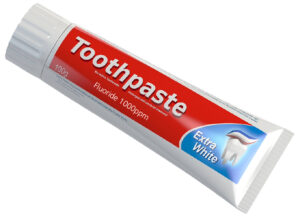
No. Start brushing as soon as the first tooth appears using toothpaste with at least 1000ppm fluoride. Use a smear of toothpaste (a thin film covering less than three‑quarters of the brush) for children under 3.
How much toothpaste should I put on my 3‑year‑old’s toothbrush?
Use a pea‑sized amount of toothpaste with 1000 to 1500ppm fluoride for children aged 3 to 6 years.
Can my toddler brush their own teeth properly?
No. Toddlers cannot brush well enough on their own. Children need help and supervision until at least 7 years old.
Should we rinse our mouths after brushing?
No. From around age 3, encourage children to spit, not rinse. Rinsing washes away the fluoride that protects their teeth.
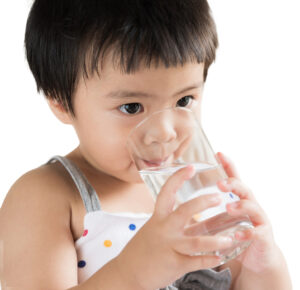
When can my baby start using a cup?
Babies can start using a free‑flow, open cup from 6 months/li>
Stop using bottles by 1 year
Bottles should only contain breast milk, formula, or cooled boiled water
Do not add honey, sugar, juice or sweet drinks to bottles
How often should I change toothbrushes or toothbrush heads?
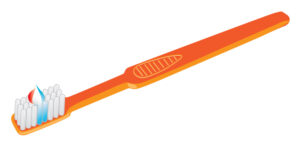
Replace every 3 months, or sooner if the bristles look worn.
Does it matter how many times my child eats or drinks each day?
Yes. Frequent snacking on sugary food or drinks can cause tooth decay.
Healthy routine:
Stick to 3 meals and 2 snacks
Keep sugary foods and drinks to mealtimes only
Remember these all contain sugar and should not be between‑meal snacks:
Honey
Fruit juice
Smoothies
Dried fruit
Fruit in sugary syrup
Choose fresh fruit, or frozen or canned fruit in juice, between meals.
1. Start early
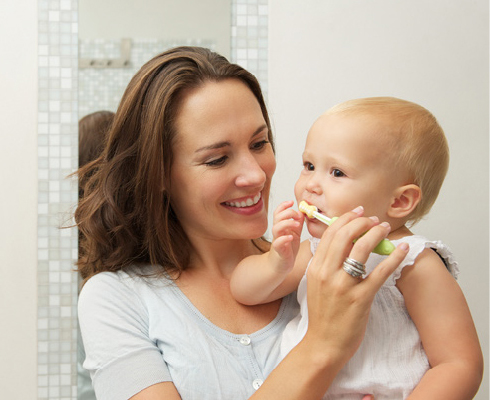
Begin brushing your baby’s teeth as soon as their first tooth appears.
2. Brush twice a day
Brush for 2 minutes, last thing before bed and one other time in the day.
3. Use the right toothpaste
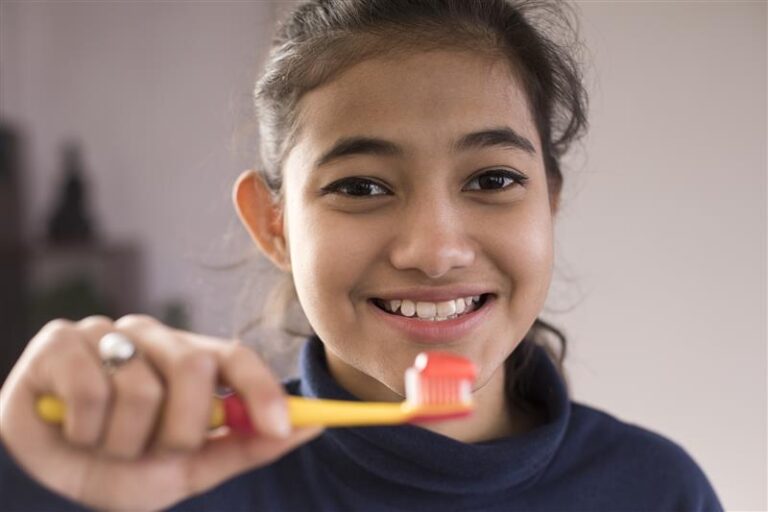
Under 3 years: A smear of toothpaste with at least 1000ppm fluoride
3 years and older: A pea‑sized amount of toothpaste with 1000 to 1500ppm fluoride
4. Help your child brush
Support with brushing until they are at least 7 years old.
5. Spit, don’t rinse
After brushing, spit out toothpaste and do not rinse with water.
6. Limit sugary foods and drinks
If your child has sugary foods or drinks, keep them to mealtimes only.
7. Choose healthy drinks
Water and plain milk are the best options.
8. Move away from bottles
Use an open cup or free‑flow cup from around 6 months. Aim to stop using bottles by 1 year.
9. Visit the dentist often
NHS dental care for children is free. Take your child when their first tooth appears or before their first birthday, and attend regular check‑ups.
10. Ask about fluoride varnish
Children aged 3 and over should have fluoride varnish applied twice a year.