


Accessibility and language tool guide
Skip to content
Leeds Community Healthcare NHS Trust Logo
Careers Contact Us
  • Home
  • Our services (A to Z)
  • About us
    • Access to information
    • Equality and diversity
    • Research
    • Awards
    • Infection prevention and control
    • Clinical and medical education and training
    • Board of directors
    • Working in partnership
    • Safeguarding children and adults
    • Charity
    • Sustainability
  • News
  • Join our team
    • Why work for us?
    • Flexible staff
    • Newly qualified graduates
    • Vacancies
    • Apprenticeships
    • Working and living in Leeds
  • Patient experience and engagement
    • Compliments, comments and complaints
    • Your feedback and experience
    • Person-centred care
    • Get involved
    • Thinking about using a camera or other equipment to monitor someone’s care?
    • Help to access and attend your appointment
    • About Me project
  • Contact us
    • Plan your journey
    • Location finder
    • Press and media enquiries
Skip to content
Leeds Community Healthcare NHS Trust Logo
  • Home
  • Our services (A to Z)
  • About us
    • Access to information
    • Equality and diversity
    • Research
    • Awards
    • Infection prevention and control
    • Clinical and medical education and training
    • Board of directors
    • Working in partnership
    • Safeguarding children and adults
    • Charity
    • Sustainability
  • News
  • Join our team
    • Why work for us?
    • Flexible staff
    • Newly qualified graduates
    • Vacancies
    • Apprenticeships
    • Working and living in Leeds
  • Patient experience and engagement
    • Compliments, comments and complaints
    • Your feedback and experience
    • Person-centred care
    • Get involved
    • Thinking about using a camera or other equipment to monitor someone’s care?
    • Help to access and attend your appointment
    • About Me project
  • Contact us
    • Plan your journey
    • Location finder
    • Press and media enquiries
Leeds Community Healthcare NHS Trust Logo
/Our services (A to Z)/0 to 19 public health integrated nursing service (0 to 19 PHINS)/Toddlers and preschool (1 to 4 years)/Starting reception (school ready)
Hero Banner Background

Starting reception

New skills take time to learn. Practising at home will help your child move into school more easily and with confidence

Close up of two kindergarten schoolgirls wearing school uniforms, sitting at a desk in a classroom using a tablet and stylus, looking at screen and smiling

Your child's journey to school starts at home

We understand that all children develop at their own pace, and that we’re all learning from birth.

When it’s time to start school, some children will need more help than others.

There are key skills that schools expect children to be learning before their first day.

Practicing these will make your child’s journey to Reception as positive as possible.

If your child is already at nursery, in pre-school, or with a childminder, those professionals will work with you and your child to help get them ready.

There’s lots you can do at home to build your child’s

  • confidence and independence
  • helping them feel emotionally and practically prepared to start school.

How can I help my child get ready?
  • Your child will have lots of new activities and routines to get used to when they start school. There are some things they'll need to do more independently than they might have before.
  • ​Research shows that a child's relationship with their parents is the most important factor in their development, and there's a lot you can do at home.
  • ​When your child is at home with you or another caregiver, you can practice as a family with fun activities (we've included links at the end of this resource).
  • Some of these skills take time to master, so it's good to introduce them gradually as part of your daily routine.
    • If your child needs additional support to settle into Reception, make sure you share as much information as possible with their new teacher. They can work with you to find strategies to support your child.
    • Summer born children, or those speaking English as an additional language (EAL) may need more support.
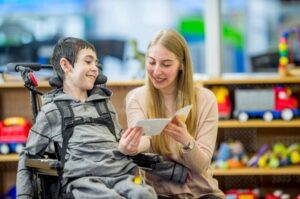
    • If you know or suspect your child has suspected or confirmed special educational needs (SEND), developmental differences or delays, some of these skills may not be achievable for them at this point.
    • Early support makes a big difference, ask your child’s nursery, school, 0 to 19 practitioner, local children’s centre or family hub for help.

    The definition: Skills to practice before starting Reception

    New skills take time to learn.

    Practising at home will help your child move into school more easily and with confidence.

    Growing indepedence

    • Putting on/taking off their coat and shoes
    • Using the toilet and washing their hands (See our toileting page)

    • Getting dressed with little help, for example, after using the toilet or doing PE
    • Using a fork/spoon and drinking from an open cup
    • Spending time away from you, learning they can be looked after by caring adults

    • Engaging in imaginative play (for example, role play)
    • Drawing, painting, colouring and sticking
    • Sharing story books with caregivers, looking at pictures and talking about the characters
    • Picture puzzle

    • Exploring the world around them (for example, looking closely at the natural world or playing safely with objects at home)
    • See our Supporting your child’s development page for activity ideas

    Building relationships and communicating

    • Practicing sharing and taking turns with toys
    • Talking to them about how they are feeling and why
    • Looking at story books together and speaking about what characters are feeling is a good way to do this
    • Beginning to recognise what others are feeling, for example, understanding if a friend is sad
    • Encouraging them to set boundaries for themselves and others (for example, knowing how to say ‘no’)

    • Singing along with songs and nursery rhymes
    • Talking happily to others about activities, experiences and the world around them
    • Showing they need help by speaking clearly (in basic English or sign language)
    • Recognising the pattern of their name (so they can find it on their coat peg or jacket)

    • Paying attention for short periods of time
    • Listening to and following simple instructions
    • Carrying on with a task even when it’s difficult and bouncing back if things go wrong

    Physical development

    • Walking up and down steps (one foot at a time, using the wall for support)
    • Climbing, running, jumping and playing
    • Catching a large ball (most of the time)
    • Doing simple puzzles and craft activities, strengthening their grip with cutting and sticking

    • Going to bed around the same time each night, waking up in time to get ready for school
    • Limiting screen time to the recommended daily amounts (see advice)
    • Eating a healthy diet and trying new foods
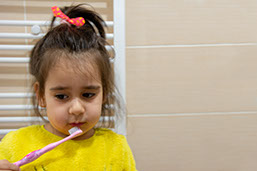
    • Brushing their teeth with fluoride toothpaste twice a day (See our oral health page for advice and information on brushing teeth)

    Child development

    • If you’re worried about your child’s progress
      • talk to your childminder
      • nursery
      • pre-school team
      • health visitor
      • local children’s centre
    • ​If your child has developmental delays or SEND (suspected or confirmed), speak to their childminder, Nursery or Pre-school team well before they start reception.
    • You can work with your child’s early years setting to help your child with self-care, managing emotions, social skills, and communication in a way that suits their stage of development.
    • ​You might want to share details about their development, needs, what motivates them, what might trigger difficulties, how they learn best, and what strategies work well.
    • Make sure you share important information with everyone supporting your child, including their new reception teacher.

    Resources for families with additional needs

    There are many organisations who can support you with information and strategies to prepare you, your child and their educational setting, ensuring a smooth transition and setting them up for future success.

    These include:

    • Family Lives
    • Speech and Language UK
    • Dingley’s Promise
    • KIDS

    Contact us

    You can call our Single Point of Access (SPA) from Monday to Friday, 8:30am to 5pm.

    • Phone: 0113 843 5683

    You can also keep up to date with our service and find more information on our Facebook or Instagram pages.

    If you 11 to 19 you can contact us via ChatHealth.

    Text a 0 to 19 specialist public health nurse on 07520 619 750

    Relay UK: Free support to help deaf people and those who have hearing loss or have a speech impairment to communicate over the phone.

    Contact us

    You can call our Single Point of Access (SPA) from Monday to Friday, 8:30am to 5pm.

    • Phone: 0113 843 5683

    You can also keep up to date with our service and find more information on our Facebook or Instagram pages.

    If you 11 to 19 you can contact us via ChatHealth.

    Text a 0 to 19 specialist public health nurse on 07520 619 750

    Relay UK: Free support to help deaf people and those who have hearing loss or have a speech impairment to communicate over the phone.

    survey icon
    Tell us what you think

    We would love to know what you think of our website and if there is anything we can improve.

    Complete our survey and share your thoughts.

    Leeds Community Healthcare NHS Trust Logo
    Headquarters
    Leeds Community Healthcare NHS Trust
    White Rose Office Park, Building 3
    Millshaw Park Lane
    Leeds, LS11 0DL
    Useful Links
    • News
    • Current vacancies
    • Contact us
    • Give feedback
    Need to speak to someone urgently?
    MindMate Website Logo MindWell Leeds Website Logo NHS 111 Logo
    © 2026 Leeds Community Healthcare NHS Trust - Website by 6B
    • Accessibility statement
    • Privacy notice
    • Cookie policy
    • Terms and conditions
    • Policies and guidelines