


Oral health and Special Educational Needs and Disabilities (SEND)
This page is for parents, carers, and professionals supporting children and young people with Special Educational Needs and Disabilities (SEND). It explains why oral health is important, how to support toothbrushing, and how to make dentist visits easier.
Why oral health matters
Good oral health helps children and young people with:
- eating
- speaking
- comfort
- confidence
- feeling well day‑to‑day
Some children with SEND may need extra support with brushing and dental care.
Children and young people with SEND have the same right to dental care as everyone else. Dental teams should make reasonable adjustments to meet individual needs.
Accessing dental care
Dental services can make simple changes to help appointments feel easier and more accessible. These may include:
- Longer appointments
- A quiet or separate waiting space
- Clear, simple communication
- Visual aids
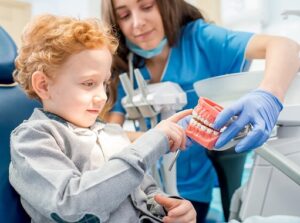
- Pre‑visit familiarisation appointments
Some children with SEND may find it hard to explain dental pain.
Look out for changes such as:
- irritability
- sleep problems
- reduced appetite
- touching their face or mouth
These may be signs of discomfort.
A consistent daily brushing routine helps prevent problems.

Supporting information
Creating a sensory‑friendly routine
- Choose a calm time and place, bath time often works well
- Let your child explore the toothbrush at their own pace
- Keep sessions short and positive
For some children, the feel, taste, or sound of brushing can be overwhelming. Using the right tools and gradual strategies can help.
Adaptive toothbrushes
Choosing the right toothbrush can make brushing easier:
- Electric toothbrushes: Some children prefer the vibration because it is predictable. Others may not, try and see what works.
- Larger‑grip handles: Easier to hold and control.
- Soft bristles: Gentler on sensitive gums.
- Silicone bristle brushes: Softer texture for children with tactile sensitivities (extra sensitive to touch).
Let your child explore different brushes and choose the one they like best.
Desensitisation techniques
A gentle, step‑by‑step approach can help build tolerance:
- Let your child hold the toothbrush
- Touch the toothbrush to their lips
- Brush one tooth
- Add more teeth slowly over time
- Build up to a full brushing routine
Keep sessions short, positive, and calm. Praise every effort, not just the end.
Visual supports and social stories
Visual tools help children understand what will happen:
- Simple step‑by‑step picture sequences
- Social stories explaining why we brush
- Short demonstration videos
- Visual reminders placed in the bathroom
These tools reduce uncertainty and help with routine.
Regular dental check‑ups are important, and preparing your child can make visits easier.
Choosing a SEND‑friendly dentist
Look for practices that offer:
- quiet or sensory‑friendly spaces
- flexible appointment times
- extra time during appointments
Preparing for the visit
- Ask for a pre‑visit so your child can meet staff and look around
- Use social stories or visual schedules showing each step
- Show pictures of the dental chair and equipment
- Watch short videos about dentist visits
Using sensory supports
Bring things that help your child feel calm, such as:
- A comfort toy
- Noise‑cancelling headphones
- Sunglasses to reduce bright lights
- A favourite scent or fidget item
- Tooth Brushing Habit (songs, videos, and routines) has fun videos, songs, and games to help babies and toddlers enjoy toothbrushing. It supports parents to build good brushing routines in an engaging way.
- Autism Tooth Care (support for neurodivergent children) offers sensory‑friendly brushing ideas and practical advice for autistic children or children who find toothbrushing difficult. It includes visual supports, routines, and step‑by‑step strategies.