


Children’s community intravenous antibiotics therapy
The Children’s Nursing team provides nurses that can visit you in your home and administer your child’s antibiotics.
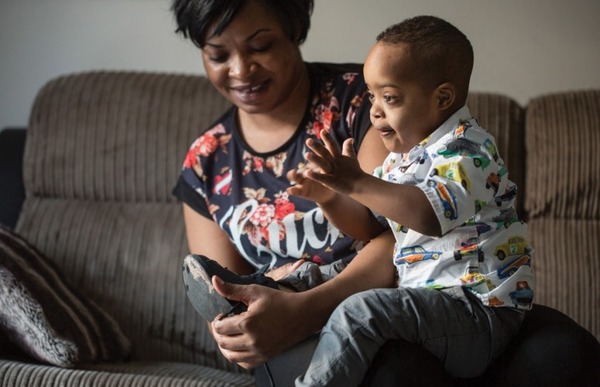
About the children’s community intravenous antibiotics therapy
Part of the role of the Children’s Community Nursing team is to administer intravenous (IV) antibiotics to children at home. If eligible for this service, your child will be referred prior to discharge from hospital. You will receive a supply of your child’s IV antibiotics before discharge home. Your child will be discharged with a cannula or IV line in situ. The CIVAS nurse will remove this at home at the end of your child’s course of antibiotics or will arrange removal in the hospital if needed. A time for a home visit will be agreed, and this will be confirmed by SMS message. You must be able to return to hospital if your child becomes more unwell or if there are issues with your child’s cannula or IV line.
Not all antibiotics are suitable to be given at home; the decision will be made by a doctor at Leeds Children’s Hospital.
What is intravenous antibiotic therapy?
Antibiotics are used to fight against infections caused by bacteria. Antibiotics do not work against viruses. When antibiotics are given into a vein, it is called intravenous (IV) therapy. If it has been decided that IV antibiotics are the best course of treatment for your child, and they meet the required criteria, the Children’s Nursing team will give the doses at home.
How is the antibiotic given?
The antibiotic is given into your child’s vein through a small narrow flexible tube called a cannula, or via an IV line. IV lines are usually used for longer-term antibiotics, and the line is usually inserted under anaesthetic. A cannula is usually used for a short-term course. This is inserted into a vein using a needle at the hospital. The needle is removed and the plastic cannula is left in place and secured by a dressing. Cannulas are usually removed at home. If your child has an IV line, it will need removing in hospital following the required length of treatment.
The type of device (cannula or line) chosen for your child’s treatment will depend on your child’s veins and how long your child needs antibiotics for.
The antibiotic will be given either via bolus using a syringe to administer the medicine slowly or using an infusion pump to give the medicine over 30 minutes.
What are the risks?
Your child will receive at least one dose of their antibiotic in hospital to ensure that they do not develop a severe reaction. Allergic reactions can occur with any medicine, and you should seek immediate medical attention if your child develops any symptoms while at home such as a rash, facial swelling or difficulty in breathing.
Occasionally the cannula or line can become blocked, an infection can develop or the cannula can come out. Symptoms of this can include pain, fever, redness, swelling or leakage. If necessary, they may need to be readmitted back into hospital and have a new cannula inserted. If your child has a line a medicine can be used to try and unblock it.
If the cannula or IV line falls out, there may be some bleeding from the site. In this instance, press a tissue or gauze pad on the site to stop the bleeding before contacting Children’s Community Nursing team to inform that the device is out.
Note: If you are concerned at all about your child’s IV line, please speak to the nurse visiting, or call the team straight away.
Who will give my child their IV antibiotics?
The Children’s Nursing team will visit you in your home and administer your child’s antibiotics. You will receive a supply of your child’s IV antibiotics when your child is discharged from hospital. The nursing team will bring all equipment needed to administer the antibiotics at home.
How long will my child’s treatment last?
Your child may require a few days or several weeks of IV antibiotics, depending on the nature of the infection. This may be followed by a further course of oral antibiotics. This will be explained by the consultant or doctor looking after your child in hospital prior to referral to the CIVAS service.
What should I do if my child is unwell or I am concerned?
Please do not hesitate to contact the Children’s Nursing team if you have any concerns. Complications are rare but it is important to look after your child’s cannula as directed. Very occasionally children can develop symptoms directly related to the antibiotic they are taking. This can occur whether you are at home or in hospital.
Some common things to look out for include the following:
- Diarrhoea or nausea
- Headaches and dizziness
- Pain, redness and swelling around the cannula or IV line
If your child feels unwell while at home, please contact the Children’s Nursing team or the CAT unit if out of hours.
In the event of an emergency, please call 999 for an ambulance or go to your local emergency department (A&E).
Referral criteria
We only accept referrals from Leeds Children’s hospital. Referrals from other hospitals will be rejected. We do not accept self-referrals.
You must live within the Leeds geographical boundary.
You must be registered with a Leeds GP.
You must be able to return to the hospital at any time, for example, if your child becomes more unwell and needs re-assessment.
You must have a safe home environment for the visit to take place, with hand washing facilities.