

National Childhood Measurement Programme (NCMP) and vision screening
This page explains why NCMP and vision screening are important, what parents and carers can expect, and what support is available.
Supporting children in reception and year 6
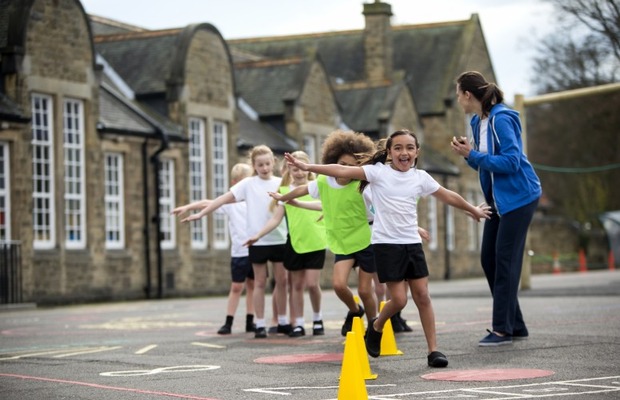
All children in reception and year 6 in Leeds are offered important health checks in school.
These checks help us make sure children are growing well, seeing clearly and getting the right support if needed.
Children and young people who are educated at home can attend community clinic. Visit our elective home educated page for more information.
Parents and carers will always be notified before the 0 to 19 team visit the school, so you have time to read the information and opt out if you choose to.

Why NCMP is important
The National Child Measurement Programme (NCMP):
Helps track children’s health
- NCMP measures height and weight to work out if children are in a healthy weight range.
- It helps us spot patterns and understand where support is needed.
- Reception and year 6 are chosen because they are key stages in a child’s development.
Helps improve local services
- The results help Leeds City Council plan services like health programmes, leisure activities, and family support.
Helps families get early support
- If a child’s results show they may need help, families can be offered support early.
- This can make a big difference to a child’s long‑term health and confidence.
For more information, visit the NHS: National Childhood Measurement Programme page.
Information for parents and carers
All measurements are done privately and confidentially.
Our friendly 0 to 19 healthcare support workers will explain everything in a simple and calm way so children know what will happen.
Before the check
- A member of 0 to 19 talks to the children first, so they understand what the check is and why it happens.
- Reception children come in small groups.
- Year 6 children are seen on their own.
During the check
- Children stay fully dressed and only take off their shoes.
- Height and weight are measured quickly and respectfully.
- No results are shared with teachers, other pupils, or anyone else in school.
After the check
- Results are sent directly to parents and carers in the post.
- Some families may be offered a follow‑up call for extra support.
- All information is kept confidential and used safely.
Your child’s information is safe
- The programme is well‑established and delivered by NHS Leeds Community Healthcare.
- All information is completely anonymised, which means no child can be identified.
Measurements
Your child will have their height and weight checked in a private space.
Reception children are usually seen in small groups.
Vision screening
Reception children also get a distance vision check in school. Vision screening helps spot problems early that may affect reading, learning or confidence.
Important for parents:
- If your child is allergic to Durapore tape, please call our 0 to 19 admin SPA.
- We do not screen for squint
- If your child does not pass the vision screening, we will refer them to the community eye service. They will send you a letter asking you to book a clinic appointment so your child can have a more detailed eye check.
- If your child already sees an optician or clinic, please continue with those appointments.
Confidential results
Vision and NCMP results are sent directly to parents and carers and are not shared with the school.
Measurements
Year 6 children are seen individually for privacy.
They stay fully clothed and remove only their shoes and will have their height and weight measured.
Young Carers routine enquiry
Every year 6 pupil is asked a routine young carer question. This helps us understand if a young person might be helping to care for someone at home and may need support.
For more information, visit Family Action: Young Carers
ChatHealth
All year 6 pupils receive a ChatHealth card showing how to text a 0 to 19 School Nurse for confidential advice about:
- feelings
- friendships
- puberty
- sleep
- bullying
- health worries
For more information visit our ChatHealth page.
When your child has their height and weight checked through the National Child Measurement Programme (NCMP), you will receive a confidential letter with their results. Only parents and carers receive this information, it is not shared with your child, their teacher, or other pupils.
Your child’s letter will explain clearly if, on the day they were measured, they were:
- Below the expected weight range(“underweight”)
- This means your child weighed less than expected for their age, sex and height.
- Growing as expected (“healthy weight”)
- This means your child’s growth is on track for their age, sex and height.
- Above the expected weight range (“overweight”)
- This means your child weighed more than expected for their age, sex and height.
These results are based on body mass index (BMI) centiles, which compare your child’s growth to children of the same age and sex across the UK.
We understand that talking about weight can feel worrying or uncomfortable for many families. Please be reassured that your child’s results are private, shared only with you. Our aim is to support you, not judge you, and help your family if you ever want advice or guidance.
If you want to understand your child’s growth more, or would like help making healthy changes as a family, here are some simple next steps.
- Learn more about children’s weight and growth
- NHS Better Health: Children’s weight explains children’s growth, healthy weight, and how families can make small changes together.
- Explore tips, recipes and healthy ideas
- The NHS Healthier Families website has child‑friendly recipes, fun activities and healthy swaps for everyday life.
- Get support for building healthy family routines:
- The HENRY 5 to 12 programme helps families with healthy eating, activity, sleep and emotional wellbeing.
- Check how your child is growing over time:
- NHS BMI Calculator: You can look at your child’s growth in a clear, simple way.
Top 5 tips to support your child’s healthy growth
These small, everyday ideas can help your child feel well, stay active and build healthy habits that last.
1. Make small swaps
Try adding more fruit, veg or wholegrains into meals.
Small changes can make a big difference.
For more information, visit the healthier families food swaps page.
2. Move together every day
Aim for at least one hour of movement each day. Walking, dancing and playing outside all count.
For more information, visit the healthier families healthy steps page.
3. Keep sugary snacks and drinks as occasional treats
Choose water or milk instead of fizzy or energy drinks when possible.
For more information, visit the healthier families sugar facts page.
4. Create a calm bedtime routine
Try to switch off screens at least an hour before bed to help your child sleep well.
5. Make healthy habits a family activity
Children learn from what they see. Cooking, walking or playing together helps everyone feel supported.
Opting out
Parents and carers can choose to opt out of NCMP or vision screening.
To opt out, phone the 0 to 19 Admin SPA on 0113 843 5683
Important:
- Please contact us directly.
- Schools cannot pass opt‑outs on your behalf.
- Information on how to opt out is also included in the “intention to see” leaflets.
Reception families can also opt out of vision screening in the same way.
How is my child’s data used?
- Leeds City Council
- The information collected from all schools in the area will be gathered together and held securely by Leeds City Council. 0-19 will store your child’s information in their electronic patient health record.
- NHS England
- We send NCMP information to NHS England. They collect health data from across the country to help improve care for children and families.
- Office for Health Improvement and Disparities (OHID)
- NHS England also shares NCMP information with OHID, but only in a de‑personalised form. This means your child cannot be identified.
- OHID uses this information to:
- understand child growth across England
- find ways to improve children’s health
- reduce health inequalities
- Research and planning
- De‑personalised NCMP information may also be shared with approved organisations, such as universities, to help improve health services. Researchers cannot identify your child.
Your child’s information is safe
- All information is kept securely.
- Any data used outside the local NHS is de‑personalised (names and details removed).
- No information is ever published that could identify your child.
Your child’s privacy is always protected.
- For further information about how we process your child’s data, please view our Privacy Notice
- Information about how NHS England and Public Health England collect and use information