

Physical health in pregnancy
This page explains how to look after your physical health during pregnancy.
About your physical health in pregnancy
Looking after your physical health in pregnancy helps you stay well and supports your baby’s growth and development.
Being active, eating well, taking the right vitamins and attending appointments all help your body cope with the changes of pregnancy.
Good physical health can also make labour and recovery easier.
We encourage parents to stay active and make healthy choices because this reduces the risk of problems in pregnancy and supports a healthy start for you and your baby.
You can speak to your GP or midwife if you have any questions about your physical health. Your 0 to 19 practitioner can also talk to you about your physical health when we see you.
Ways to look after yourself in pregnancy
Vaccines work by helping your body make antibodies. These antibodies pass through to your baby and help protect them during the first months of life, when they are most vulnerable.
Vaccines recommended in pregnancy
Flu vaccine (Influenza)
Recommended: at any stage of pregnancy during flu season.
Why it’s important
- Pregnancy makes it harder for your body to fight infections.
- Flu can lead to serious problems such as pneumonia and hospital care.
- The flu vaccine helps stop you getting flu or makes it milder.
- It also helps protect your baby for the first few months after birth.
Whooping cough vaccine (Pertussis)
Recommended: From 16 weeks of pregnancy. It is given in every pregnancy, even if you had it before.
Why it’s important
- Whooping cough can be very dangerous for young babies.
- Most babies with whooping cough need hospital care.
- The vaccine helps your body make antibodies.
- These antibodies protect your baby until they get their first routine vaccines at 8 weeks old.
Respiratory Syncytial Virus vaccine (RSV)
Recommended: From 28 weeks of pregnancy.
Why it’s important
- RSV is a common virus that can cause serious lung infections in babies, such as bronchiolitis and pneumonia.
- Vaccinating in pregnancy reduces the chance of your baby getting severe RSV during their first 6 months.
During pregnancy, your body needs extra nutrients to support your growing baby.
You do not need a special diet. Eating a variety of everyday foods is enough.
A healthy diet during pregnancy
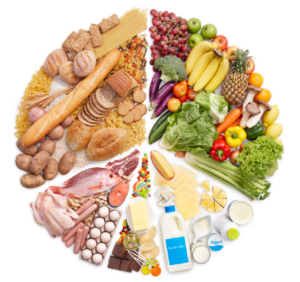
1. Eat a variety of foods
Try to include different types of foods each day. This helps your baby get all the nutrients they need.
2. Have at least 5 portions of fruit and vegetables
Fresh, frozen, tinned and dried all count. Try adding fruit or vegetables to every meal.
3. Include carbohydrates
These foods give you energy. Carbohydrates include:
- bread
- potatoes
- rice
- pasta
- cereals
- oats
Try to make these about one‑third of your daily diet.
4. Include dairy or dairy alternatives
These foods give you calcium, which helps your baby’s bones and teeth develop.
Examples include:
- milk
- cheese
- yoghurt
- fortified plant alternatives (such as soy or oat milk)
Useful resources
- BBC Tiny Happy People: Eating well in pregnancy: Visit this page for clear, reliable advice on how to eat well during pregnancy, including tips for boosting energy, preventing discomfort, and choosing the right foods for your baby’s healthy development.
- First Steps Nutrition Trust: Eating well in pregnancy: A clear, practical guide with everyday food examples and useful tips.
- Best Start in Life: Healthy eating in pregnancy: Visit this page to learn simple, trusted advice on eating well in pregnancy. It helps you understand what foods to choose, how to get the nutrients you and your baby need, and links you to reliable NHS guidance.
Being active in pregnancy is safe and helps you stay healthy. It also supports your baby’s growth and can make labour and recovery easier.
Staying active
You can usually keep doing your normal activities, such as walking, swimming, pregnancy yoga or gentle aerobics. If you were not active before, start slowly and build up gradually.
Safe exercise tips
- You should be able to talk while exercising.
- Do not push yourself too hard.
- Warm up, cool down and drink water.
- Tell any fitness instructors that you are pregnant.
How much is enough?
You don’t need to exercise for long periods. Even 30 minutes of walking a day can help and smaller amounts are still good for you.
NHS: Exercise in pregnancyPelvic floor exercises help to strengthen the muscles that support your bladder, bowel and womb. These muscles work hard during pregnancy and childbirth, so keeping them strong is important.
Why pelvic floor exercises matter
If these muscles are weak, you may:
- leak urine when you cough, sneeze or laugh
- leak when lifting or straining
It is common, especially during and after pregnancy, and there is no need to feel embarrassed.
Ways pelvic floor exercises can help
It can:
- reduce leaks
- prevent problems after birth
All pregnant women are advised to do pelvic floor exercises, even if you have no problems now.
Useful resources
- NHS: Exercise in pregnancy: This page gives simple advice on how to stay active safely during pregnancy. It explains the types of exercise that are good for you and your baby, how often to be active, and which activities to avoid. The guidance is reassuring, practical, and suitable for all fitness levels.
- Women’s health (Pelvic floor and postpartum): This resource provides trusted, local information. It explains how to look after your pelvic floor during pregnancy and after birth, why pelvic floor exercises matter, and how to prevent or manage common issues such as bladder or bowel leaks.
- Squeezy (women’s health videos): These short videos explain how to do pelvic floor exercises correctly. They offer step‑by‑step guidance, clear demonstrations, and tips to help you build pelvic floor strength during pregnancy and after birth.
Eating a healthy, varied diet helps you and your baby get the vitamins and minerals you need so try to eat plenty of fruit and vegetables.
There are some vitamins that are very important in pregnancy for your baby’s growth and development.
Learning about vitamins helps you to:
- know which supplements you should take
- support your baby’s brain and body as they grow
- look after your own health during pregnancy
Knowing the right vitamins to take helps keep you and your baby healthy.
Folic acid
Folic acid helps reduce the risk of serious birth problems that affect the baby’s brain and spine.
What to do
- Take 400 micrograms of folic acid every day.
- Start when trying for a baby.
Foods with folic acid
- Green vegetables
- Bread or cereals with added folic acid
Vitamin D
Vitamin D helps build strong bones and teeth for you and your baby. Low vitamin D can also affect your energy and mood. It is hard to get enough vitamin D from food and sunlight alone.
What to do
- Take 20 micrograms of vitamin D every day during pregnancy.
- Most people in the UK are advised to keep taking vitamin D all year round.
Useful resources
- Healthy Start scheme: Visit this page to check if you can get free vitamins, milk, fruit and vegetables through the Healthy Start scheme. It explains who can apply, what you may get, and how to sign up.
- NHS (Vitamins, minerals and supplements in pregnancy): Visit this page for trusted advice about which vitamins you need during pregnancy, including folic acid and vitamin D and which supplements you should avoid.
- NHS Best Start in Life: Visit this page for practical information on taking vitamins safely in pregnancy. It explains why supplements matter, how much you need, and includes tips on eating well to support your baby’s development.