


Parental support and well-being: Pregnancy and new baby
This page is for all parents and carers, whether you are expecting a baby or have a new born and want clear, trusted support for your wellbeing.
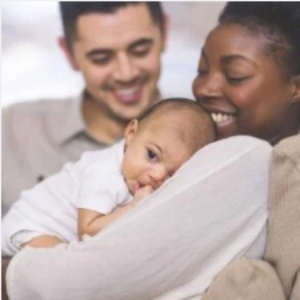
Parental support and well-being during pregnancy and early parenthood
Becoming a parent brings many changes, and it’s normal to need support at different times.
Your wellbeing matters and looking after yourself helps your baby feel safe, secure and cared for.
During pregnancy and after birth, parents can experience a wide mix of feelings.
Many people also have questions about their health, emotional wellbeing, and how different choices or medicines may affect them during pregnancy and early parenthood.
Our 0 to 19 practitioners ask about your wellbeing at every contact because we want to make sure you feel supported. We do this in a kind, non‑judgemental way, and we are here to listen, offer help and connect you with services if you need them.
This page brings together information about:
- emotional wellbeing and mental health during pregnancy and early parenthood
- alcohol, drugs and medicines in pregnancy, and how they can affect your baby
- support if you are worried about your mood, safety or substance use
- support for partners and dads
- staying safe if you ever have concerns about domestic abuse
To speak with a 0 to 19 practitioner, find our details in the Contact us section on this page.
Supporting information
What passes to your baby
During pregnancy, substances in your blood can pass to your baby.
This means your baby is exposed to:
- medications
- alcohol
- drugs
Your baby’s body is still developing, so these substances can cause harm.
Medicines in pregnancy
Some prescription medications are safe to take in pregnancy, but others can affect your baby’s development.
Speak to your GP, midwife or pharmacist before taking any new medication, including over‑the‑counter medicines, herbal remedies or supplements.
Read more about taking medicines safely during pregnancy.
Alcohol in pregnancy
Drinking alcohol at any stage of pregnancy increases the risk of:
- miscarriage
- stillbirth
- Sudden Infant Death Syndrome (SIDS)
- long‑term disabilities affecting learning, behaviour and development
No thanks, I’m pregnant provides clear, trusted information about alcohol and pregnancy, including how alcohol can affect your baby and where to get support if you want help to stop drinking.
Drugs and substances in pregnancy
Using drugs during pregnancy can:
- affect how your baby grows
- increase the chance of stillbirth
- cause birth defects
- increase the chance of premature birth
- cause low birth weight
- lead to Neonatal Abstinence Syndrome NAS where newborn babies have withdrawal symptoms after birth
When to get more help
Please speak to your midwife, GP or maternity unit as soon as possible if:
- you are using alcohol or drugs and want to stop
- you feel you cannot stop on your own
- you feel unsafe or worried about withdrawal
Forward Leeds offer free and confidential support to stop using alcohol or drugs if you live in Leeds.
Many parents may experience emotional well being or mental health difficulties during pregnancy and after birth.
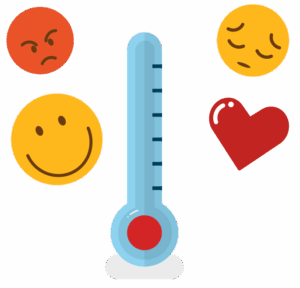
Looking after your mental health is an important part of caring for your baby. When you look after yourself, your baby benefits too.
- Some parents feel sad, anxious, or stressed.
- Some worry about being judged.
But many parents struggle at times and are still caring and loving.
How can 0 to 19 PHINS support you?
At every contact, your 0 to 19 practitioner (Health Visitor) will:
- ask how you are feeling in a kind and non‑judgemental way.
- use simple, trusted tools to help understand your mental well being.
- listen to what matters to you and what may be making things harder.
We can:
- give you space to talk about how you are feeling.
- offer additional visits during your baby’s first year if needed.
- share ideas and practical tips for looking after your wellbeing.
- help you find local services that can support you.
- refer you for extra help if you need it.
Perinatal Positivity is a short film where real parents talk about their emotional wellbeing during pregnancy, birth and early parenthood.
If you are a dad or partner, you can find more support and information on our Dads and Partners page.
Feelings before your baby is born (antenatal)
Pregnancy can bring many different emotions.
Some people feel happy and excited, and others feel unsure, stressed or overwhelmed.
- All these feelings are normal.
- Your body is changing, and there is a lot to think about.
- If you feel unwell or very tired, it can be harder to enjoy pregnancy, this is understandable.
Read more on emotional wellbeing in pregnancy
Feelings after your baby is born (postnatal)
After birth, many people notice a mix of feelings, whether this is your first baby or not, love, worry, tiredness, or just being unsure.
This is very common and you may experience changes in mood or anxiety, even if you haven’t felt this way before.
Baby Blues
During the first few weeks after having a baby, many parents experience what’s called “baby blues”.
You may feel low or emotional at a time when you expected to feel happy, this is more common than people realise and can happen because of:
- hormones
- lack of sleep
- big life changes
- pressure to “get everything right”
If the feelings become stronger or do not improve after a couple of weeks, it’s important to talk to your midwife, health visitor or GP.

Simple tips to look after your wellbeing
- Rest when you can, short naps or quiet moments help.
- Be kind to yourself, nobody is perfect.
- Accept help from family or friends.
- Go outside fresh air can lift your mood.
- Stay connected meeting other parents can help you feel less alone
- Talk to someone you trust, a friend, partner, midwife, GP or your 0 to 19 public health nurse.
Getting help if your worried
Please remember if there is an immediate threat to life, call 999.
For crisis support call 0800 183 1485 or visit Leeds and York Partnership NHS for more information and advice.
- Speak to your midwife or GP
- Speak to a 0 to 19 PHINS practitioner on 0113 8435683
- For social prescribing call 0113 3367612 or visit Linking Leeds for more information and advice.
- Leeds Mental Wellbeing Service (LMWS) offers priority support for anyone in the perinatal period, including people who are pregnant or have been pregnant in the last 12 months, primary caregivers of a baby under 12 months and partners of someone in the perinatal period.
- MindWell is a mental health website for adults in Leeds. It brings together information from the NHS, Leeds City Council and the third sector into one ‘go to’ place.
- Mental Health Self help guides: Free NHS self‑help guides for a wide range of feelings and conditions, such as anxiety, stress, low mood or panic.
- PANDAS Foundation offers support if you are experiencing anxiety, low mood, depression or other mental health difficulties during pregnancy or after birth. You can access helplines, online groups and parent‑friendly information.
- Visit the Samaritans website or call 116 123, you can contact Samaritans at any time, day or night, if you need someone to talk to. They offer confidential emotional support if you are feeling overwhelmed or struggling to cope.
- Baby Buddy App has short, easy‑to‑understand videos about mental health, wellbeing and emotional support during pregnancy and early parenthood.
Our 0 to 19 family support: Housing, money and essentials page is for families who need help or advice with housing problems, money worries or food support.
You can find out where to get help, what different services do, and how to contact them if you need support.
You can also speak to one of our 0 to 19 practitioners who can make a direct referral to Leeds Citizens Advice and Law Centre (LCALC) for support with
- free, confidential and impartial information and advice on a range of issues including
- benefit
- debt
- housing
- immigration
- employment
Our 0 to 19 physical health in pregnancy page explains how to look after your physical health during pregnancy.
Smoking when you are pregnant can harm you and your baby.
It increases the risk of:
- miscarriage
- stillbirth
- Sudden Infant Death Syndrome (also called SIDS or “cot death”)
- your baby being born early (prematurely)
- your baby being born smaller than they should be (low birth weight)
Why stopping smoking helps
When you stop:
- your baby gets more oxygen
- you lower the risks to your baby’s health
- you help your baby grow and develop safely
It is never too late to stop. Getting support makes stopping easier.
What about dads and partners?
Smoke from people around you can also harm your baby. If a partner or anyone in your home smokes:
- your baby is exposed to second‑hand smoke
- the risk of SIDS is higher
- it may be harder for you to stop smoking
Partners can get help to stop too. Stopping together can help keep your home smoke‑free and safer for your baby.
E-cigarettes and vaping
- If you vape, the safest thing is to try to stop during pregnancy.
- If you are using e-cigarettes to stop smoking, it is usually better to use nicotine patches or gum to help you stop. These are safer options. This is because there is not enough evidence to show that e‑cigarettes help people stop safely in pregnancy.
- Do not vape around your baby.
- To protect your baby, it is safest to avoid second-hand vapour from e‑cigarettes.
You should ask people not to smoke or vape near you during pregnancy or when baby is born to help keep your baby safe.
Get help to stop smoking
- Visit the NHS Stop smoking in pregnancy page for clear advice and support
- West Yorkshire Healthier Together: Stop Smoking gives clear advice for people who are pregnant, partners and families, and helps you find services near you.
- The Lullaby Trust: Smoking and Baby Safety gives advice on keeping your home smoke-free and how this helps reduce the risk of SIDS.
Domestic abuse can happen to anyone. It is never your fault.
Domestic abuse can happen in any relationship, and it can happen to women, men, partners, carers or family members.
Abuse is not always physical. It can also be:
- emotional
- verbal
- sexual
- psychological
- financial
- online or digital
- controlling or coercive behaviour
0 to 19 practitioners routinely ask about domestic abuse to make sure you and your baby are safe. We are here to listen and support you if you ever need us.
How domestic abuse affects babies
During pregnancy
Domestic abuse can sometimes get worse during pregnancy. It can harm both you and your unborn baby by:
- increasing the risk of miscarriage
- your baby being born early
- your baby being born with a low birth weight
- stress affecting your baby’s development in the womb
At any age
Babies, children and young people can be affected by domestic abuse at any age, even if they do not see the abuse directly. Hearing shouting, seeing someone upset, or feeling scared at home can all have an impact.
Domestic abuse can affect a child’s:
- emotional and mental health
- brain development and learning
- physical health
- social skills and relationships
- behaviour
Domestic abuse can affect your mental and physical health. You may feel:
- anxious or low
- scared or on edge
- confused about what is happening
- worried about money, control or safety
- isolated from family and friends
You do not have to wait for an emergency.
You deserve to feel safe.
If you think domestic abuse might be happening to you, you can make a safety plan and reach out to the support services at the end of this page.
Emergency help
If you or your children are in immediate danger, call
999If you cannot speak, press 55 when prompted. This lets the operator know you need help.
Getting help and staying safe
You can contact these services even if you’re unsure whether what’s happening is abuse. They will listen and help you think about your safety.
- 24‑hour Leeds Domestic Violence Service helpline: Call 0113 246 0401
- National Domestic Violence helpline: Call 0808 2000 247
- Visit Women’s aid for quick, trusted help with domestic abuse, including safety planning, advice for you and your children, support for friends and family, and links to local domestic abuse services and refuges.
- LDVS useful links and numbers brings together key phone numbers and websites so you can quickly reach the right help for your situation. It includes help with:
- money
- Gypsy, Traveller and Roma Support
- mental health
- substance use
- LGBTQ+ support
- honour‑based abuse and forced marriage
- migrants, refugees, asylum-seekers and people New to the UK
- services for men
- services for young people
- Leeds Children’s Safeguarding Partnership offers information explaining what domestic abuse is, how it affects children and young people and helps understand the difference between normal arguments and abuse.
Who else you can talk to
You can also speak to:
- your GP
- midwife
- health visitor or 0 to 19 practitioner
- school staff, if you have older children
- local family hubs or children’s centres
They will listen and help you plan support for you and your child.
Visit our Dads and partners page.