


Infant feeding
We offer a wide range of support to help you feed your baby. Our team is committed to promoting responsive feeding and providing care that is friendly, evidence‑based, and personalised.
Feeding your baby
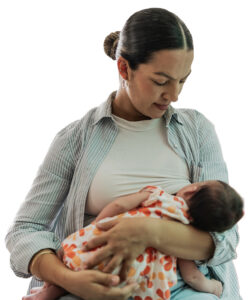
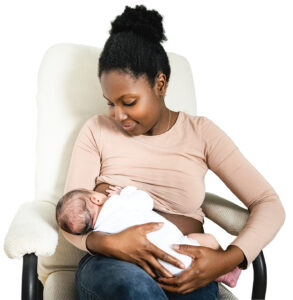
Breastfeeding is the natural and healthiest way to feed your baby.
Any amount of breastfeeding has benefits.
Exclusively breastfeeding for around the first 6 months provides the best nutrition and protection for your baby. Continuing to breastfeed alongside solid foods after 6 months supports your baby’s:
- health and wellbeing
- growth and development
- bonding and emotional connection with you
Responsive feeding
Responsive feeding means feeding your baby whenever they show signs of hunger, and offering comfort and closeness whenever needed. This supports bonding, baby’s brain development, and healthy growth.
We support all parents to make an informed choice about feeding. Whatever your feeding journey looks like, we are here to help.
How we can help
Our 0 to 19 practitioners are here to support you. We work with you in a kind, non‑judgemental way and focus on what feels right for you and your baby.

What we can help you with
- Listen to how feeding is going and what matters most to you
- Ask about feeding at each contact or visit
- We will complete a breastfeeding assessment with you at the new birth visit
- Offer personalised advice and practical support
- Set small, realistic goals with you based on what you want to achieve
- Offer extra visits if you need more support
- Answer your questions about feeding worries
- Talk to you about:
- local breastfeeding groups and peer support across Leeds
- trusted online information and specialist services if needed
Supporting information
Why breastfeeding matters
Breastfeeding can offer many health and emotional benefits for babies and for the person who is breastfeeding.
Every family’s feeding journey is unique, and support is available however you choose to feed your baby.
Benefits for babies
Breastfeeding can help to:
- support your baby’s immune system
- reduce the risk of infections (such as stomach bugs, chest infections, and ear infections)
- lower the chance of sudden infant death syndrome (SIDS)
- support healthy growth and development
- reduce the risk of obesity and cardiovascular disease later in life
Benefits for the breastfeeding parent
Breastfeeding can also contribute to:
- reduced risk of breast and ovarian cancer
- lower risk of osteoporosis in later life
- lower risk of heart disease and type 2 diabetes
- lower risk of postnatal depression, supporting bonding and emotional connection with your baby
Practical benefits
Breastfeeding:
- is always available and at the right temperature
- requires no equipment
- can be a cost‑free feeding option
Good positioning and attachment help your baby feed effectively and comfortably. When your baby is well attached, feeding is usually comfortable and milk transfer is better.
In this video, a breastfeeding counsellor helps a mother to position and attach her baby to the breast.
This clip shows how ineffective attachment happens and how it can cause sore nipples:
Useful resources on positioning and attachment
NHS Best Start to LifeThinking about expressing milk?
Expressing milk is when you take milk from your breasts so you can feed it to your baby straight away, or store it in the fridge or freezer to use at a later time.
Learn when, why, and how to express breast milk in a way that works for you and your baby by visiting the NHS Best Start in Life Expressing Your Breastmilk page.
Food and drink advice for breastfeeding parents
Learn what to limit or avoid, including peanuts, cow’s milk, and other common questions by visiting the NHS Best Start in Life: What to eat and drink when breastfeeding page.
Vitamins
Babies and children under 5 should take vitamin supplements. This follows UK government advice to help children grow well and stay healthy. For more information visit our page on Healthy start and vitamins
Common breastfeeding challenges
Breastfeeding can be difficult at times, especially in the early days and you’re not alone.
Every feeding journey is different. Find guidance on common challenges like sore nipples, mastitis, tongue tie, reflux, thrush and milk supply
You have the legal right to breastfeed anywhere.
If you feel unsure at first, there are simple ways to build confidence, from practising at home to finding breastfeeding‑friendly venues. Find out more by the visiting the NHS Best Start in Life: Breastfeeding in public page
You don’t have to stop breastfeeding when you go back to work.
Many parents continue by feeding before and after work, expressing if they choose to, and knowing their rights in the workplace.
More information and advice on breastfeeding and returning to work
Having skin‑to‑skin contact with your baby as soon as possible after birth is one of the best ways to help feeding get off to a good start.
Why skin‑to‑skin helps
- It helps your new born use their natural instincts to find the breast and have their first feed.
- It triggers two important milk‑making hormones, prolactin and oxytocin, which helps you build a strong milk supply.
- It helps your baby feel safe, warm and calm.
If you’re not breastfeeding skin‑to‑skin is still really important.
It helps you and your baby bond and feel close. It’s also the perfect place for your baby to have their first bottle feed.
Skin‑to‑skin helps you and your baby feel connected, supported and ready to start feeding.
Dads and partners play a really important role in feeding and caring for a new baby. We have a dedicated page for dads and partners with tips and advice on how to support your breastfeeding partner, how to help with feeding choices, and ways to feel confident and involved from the very beginning.
Visit our page for dads and partners to learn more about how you can support feeding and bond with your baby.
Infant formula is usually made from cow’s milk that has been changed so it is safe and suitable for babies. It gives babies the nutrients they need to grow and develop. However, formula does not give the same health benefits as breastfeeding and cannot protect your baby from infections.
Which formula to use
- First infant formula is the only formula your baby needs unless a midwife, health visitor or GP advises something different.
- Your baby can stay on first infant formula when you start solid foods at around 6 months, and throughout their first year.
- There’s no need to switch brands, but if you’re worried a formula doesn’t suit your baby, speak to your midwife or health visitor for advice.
When your baby turns 1
At 1 year, your baby can start drinking whole or semi‑skimmed cow’s milk, or pasteurised sheep’s or goat’s milk.
Making formula safely
It is very important to:
- follow all instructions on the formula packet
- make the feed safely
- sterilise bottles and teats correctly
This helps protect your baby from illness and infections.
First Steps Nutrition Trust is a charity that provides clear, evidence-based information about infant formula milks.
Breastfeeding support
Our 0 to 19 PHINS team have achieved the Gold UNICEF Baby Friendly Award. This means we give safe, high‑quality support to all families with feeding and building close relationships with their baby.
We can offer and signpost you to many types of breastfeeding help across Leeds:
Preparation for birth and beyond (PBB)
This is a free antenatal parenting programme in Leeds.
You can learn about:
- how your baby’s brain grows
- feeding
- birth
- sleep
- relationships
You can join the course online or in person.
To find out more and book a place see preparation for birth and beyond
1‑to‑1 feeding support (virtual)
If you want to talk to a 0 to 19 PHINS practitioner about feeding, you can call 0113 843 5683
Enhanced breastfeeding support
Some families need extra help. Your 0 to 19 public specialist public health nurse (health visitor) can refer you to one of our enhanced breastfeeding practitioners. These practitioners have a special interest in breastfeeding and can visit you at home.
Breastfeeding peer support groups
Leeds Bosom Buddies run friendly groups across the city. Trained peer supporters are there to help you. All breastfeeding parents are welcome.
You can find the latest times and places on the Leeds Bosom Buddies Facebook page. Our 0 to 19 family health workers also visit many groups each week.
Breast Pump Loan Scheme
For more details on how to borrow a breast pump contact:
- Your local Children’s Centre Early Start or Leeds Bosom Buddies
Leeds Maternity Breastfeeding Clinic

This clinic is run by midwives and support workers. They help parents who are finding breastfeeding difficult in the first 28 days after birth. You can email to ask for help via leedsth-tr.breastfeedingclinic@nhs.net
Other useful resources
- Leeds Maternity Care provides trusted, up‑to‑date information about pregnancy, birth, feeding, and early parenthood from Leeds Teaching Hospitals NHS Trust. It offers expert guidance, local services, and support options for families across the city.
- First Steps Nutrition provides evidence‑based information on infant nutrition, breastfeeding, and eating well for new mums and babies. It offers clear, practical guidance that supports families to make informed choices about feeding and healthy nutrition.
- NHS Best Start in Life Introducing Solid Food gives clear advice on when and how to start solid foods. It has simple, trusted guidance for keeping your baby safe and healthy.