


Accessibility and language tool guide
Skip to content
Leeds Community Healthcare NHS Trust Logo
Careers Contact Us
  • Home
  • Our services (A to Z)
  • About us
    • Access to information
    • Equality and diversity
    • Research
    • Awards
    • Infection prevention and control
    • Clinical and medical education and training
    • Board of directors
    • Working in partnership
    • Safeguarding children and adults
    • Charity
    • Sustainability
  • News
  • Join our team
    • Why work for us?
    • Flexible staff
    • Newly qualified graduates
    • Vacancies
    • Apprenticeships
    • Working and living in Leeds
  • Patient experience and engagement
    • Compliments, comments and complaints
    • Your feedback and experience
    • Person-centred care
    • Get involved
    • Thinking about using a camera or other equipment to monitor someone’s care?
    • Help to access and attend your appointment
    • About Me project
  • Contact us
    • Plan your journey
    • Location finder
    • Press and media enquiries
Skip to content
Leeds Community Healthcare NHS Trust Logo
  • Home
  • Our services (A to Z)
  • About us
    • Access to information
    • Equality and diversity
    • Research
    • Awards
    • Infection prevention and control
    • Clinical and medical education and training
    • Board of directors
    • Working in partnership
    • Safeguarding children and adults
    • Charity
    • Sustainability
  • News
  • Join our team
    • Why work for us?
    • Flexible staff
    • Newly qualified graduates
    • Vacancies
    • Apprenticeships
    • Working and living in Leeds
  • Patient experience and engagement
    • Compliments, comments and complaints
    • Your feedback and experience
    • Person-centred care
    • Get involved
    • Thinking about using a camera or other equipment to monitor someone’s care?
    • Help to access and attend your appointment
    • About Me project
  • Contact us
    • Plan your journey
    • Location finder
    • Press and media enquiries
Leeds Community Healthcare NHS Trust Logo
/Our services (A to Z)/Leeds Multisystem Rehabilitation Service/Managing fatigue
Hero Banner Background

Managing fatigue

Tips and advice for managing fatigue with a long-term health condition
Overview

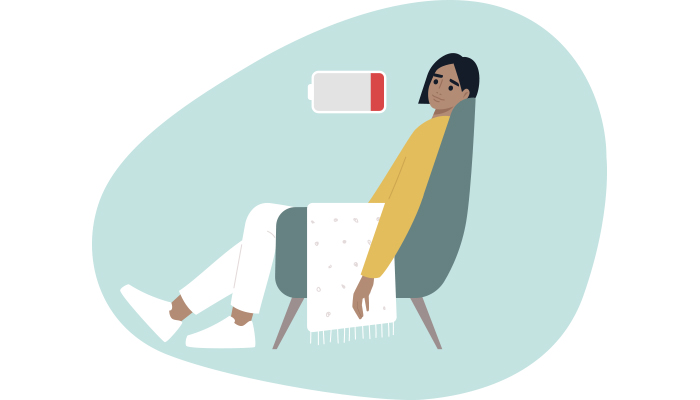
Fatigue is one of the most common symptoms experienced with those who are living with a long-term health condition, and impacts people physically, cognitively, emotionally and functionally. It is more than just a typical tiredness that people experience after a busy day, as it is not easily resolved with rest or sleep.

Each person will experience fatigue differently, and each person’s fatigue will fluctuate day to day which makes it more unpredictable. On a ‘good day’ people with fatigue may be able to manage more of the things they want to do, however will often find they have ‘bad days’ after doing too much.

This page offers useful information and strategies for how to manage fatigue, in order to conserve energy and be able to reduce the impact fatigue has on day to day life.

The 4 P's of fatigue management

Planning

Planning what you are going to do ahead can help to maximise your energy levels and help in managing your levels of fatigue.

  • Plan what equipment/ tools may be needed to complete the task and have them organised as best as possible. Can equipment be used to make the task easier and save energy?
  • Create a structured schedule: Plan each day with clear activity and rest periods. Use timers to support with limiting activity if needed. How can activities be spread out throughout the week? Can demanding tasks be carried out at different times?
  • Include rest: Plan for regular breaks and downtime, especially after more demanding tasks.
  • Use a weekly plan: Spread tasks throughout the week, keeping in mind your energy limitations.

Pacing

Pacing involves changing your thought processes around how tasks are carried out to manage your levels of fatigue. Questions to consider

  • Can the task be completed slower or broken up in to chunks?
  • Can the task be carried out over several days, rather than all in one go?
  • Can someone support me with this task?
  • Have I considered rest periods during the task to make it easier and to ‘top up’ and recharge my energy levels?- staircase not a hill
  • Activity consideration- speed, complexity, distance, strength, time taken

Prioritising

Prioritising involves identifying your most important tasks and activities and focusing your energy on those, while delegating or postponing less crucial ones.

  • Essential tasks first: Focus on what must be done (for example, meals, hygiene) and leave less urgent tasks for later.
  • Ditch or delegate: Let others help with non-essential tasks or postpone them.
  • Say no when necessary: Protect your energy by avoiding overcommitment.
  • Completing activities, we enjoy can put energy back into the tank, while those that we don’t want to do or may be less urgent can be overwhelming and increase levels of fatigue.

Positioning

Think about your bodies positioning while completing tasks throughout the day.

Consider:

  • bending and reaching can cause fatigue and shortness of breath. Try keeping objects in easy to reach places.
  • doing important or high demanding tasks in sitting rather than in standing, for example, washing up to conserve energy to allow you to complete other tasks throughout the day.
  • sitting to shower rather than standing if it makes you breathless.
  • Remember to change your position regularly to prevent stiffness and promote mobility.

Contact Us

  • Phone: 0113 843 3496
  • Email: lcht.multisystemrehab@nhs.net
  • Admin office hours: 8am to 4pm from Monday to Friday (excluding bank holidays)

Outside these hours or in an emergency please contact your GP or dial 111.

Useful links

  • Language tools guide
  • Help to access and attend your appointment
  • Leeds Mental Wellbeing Service

Contact Us

  • Phone: 0113 843 3496
  • Email: lcht.multisystemrehab@nhs.net
  • Admin office hours: 8am to 4pm from Monday to Friday (excluding bank holidays)

Outside these hours or in an emergency please contact your GP or dial 111.

Useful links

  • Language tools guide
  • Help to access and attend your appointment
  • Leeds Mental Wellbeing Service
survey icon
Tell us what you think

We would love to know what you think of our website and if there is anything we can improve.

Complete our survey and share your thoughts.

Leeds Community Healthcare NHS Trust Logo
Headquarters
Leeds Community Healthcare NHS Trust
White Rose Office Park, Building 3
Millshaw Park Lane
Leeds, LS11 0DL
Useful Links
  • News
  • Current vacancies
  • Contact us
  • Give feedback
Need to speak to someone urgently?
MindMate Website Logo MindWell Leeds Website Logo NHS 111 Logo
© 2026 Leeds Community Healthcare NHS Trust - Website by 6B
  • Accessibility statement
  • Privacy notice
  • Cookie policy
  • Terms and conditions
  • Policies and guidelines