

Fatigue
Welcome to session 1 of our 7-week virtual programme. You should have all been sent our introductory presentation and had the opportunity to watch this prior to today’s session. If you’ve been unable to do this yet, we encourage you to do so as this will provide you will further information on the service and what to expect going forwards. Please pop in the chat if you’ve not received this and we will look into this for you.
Please make sure you have your workbook to hand.
Today’s session is number 1 of 7 and we’ll be exploring fatigue.
We’ll keep the session as interactive as possible, so if you have any comments or questions throughout the presentation, please just raise your hand.
Session overview
- What is fatigue and its impact
- Possible causes of fatigue
- The four P’s of fatigue management
- Energy budgets
- Strategies to manage fatigue
We’ll be looking at what fatigue is, what its impact can be and possible causes of fatigue. We’ll then move onto how fatigue can be managed- we’ll be exploring the 4 P’s of fatigue management, energy budgets and then strategies to manage your levels of fatigue.
Outline
Session outline
What is fatigue and how does it impact you?
- Fatigue is one of the most common symptoms experienced with those living with a long-term health condition and is different from the typical ‘tiredness’ people may experience.
- It is a personal experience, and it can impact people differently.
- Fatigue can impact peoples physical, mental, cognitive, emotional, spiritual and social wellbeing.
- Fatigue can impact everyday functioning and can be unpredictable in nature- good and bad days.
- Fatigue can often be ‘invisible’ and therefore often misunderstood by others, compassionately acknowledged by ourselves.
- Fatigue can often lead to an increase in other symptoms, for example, pain, breathlessness, sensory overload.
Transcript
What is fatigue: Fatigue is one of the most common symptoms that people experience when living with a long-term condition, and its different to the usual ‘tiredness’ that most people experience. It’s often not resolved from having a sleep and sleep can often be described as ‘un-refreshing.’ Some may find that their fatigue improves over time, but for others, this may be something they have to learn to live with and manage.
Levels and severity of fatigue can differ from person to person fatigue is a personal experience that is different for everyone. For some, it may be an overwhelming feeling of exhaustion that makes it difficult to carry out basic activities of daily living, for example, getting washing and dressed. For others, they may be able to complete their daily tasks, however they continue to lack energy, lack motivation and feel weak. Fatigue is complex with a range of physiological, psychological, cognitive, emotional, spiritual and social impacts.
Fatigue can often be unpredictable and can therefore impact everyday functioning.
Affecting how we think, difficulty with concentration or processing information
How we feel: Feelings of anxiety and frustration
What we do: avoiding activities or the opposite and doing too much and later feeling the effects of this
People often describe having ‘good days and bad days.’
Fatigue can be ‘invisible’- making it difficult for others to understand. It can also result in people not compassionately acknowledging how real it can be and giving it the attention it requires to help manage it.
Fatigue can lead to an increase of other symptoms, for example, pain, breathlessness, brain fog or low concentration levels. The higher someone’s fatigue levels, the more they may notice other symptoms as well and vice versa.
There can be many reasons as to why someone may be impacted by fatigue. In this session we’ve broken the possible causes up into internal causes, primary factors, and external causes- secondary factors.
Internal causes or primary factors
- Diagnosis: Long Covid, CFS, ME, Fibromyalgia
- Pre-existing medical concerns
- Sleep
- Low mood
- Nutrition
- Stress
- Past trauma
- Age
External causes or secondary factors
- Lack of understanding about why these conditions cause fatigue
- Self-talk or critical voice internal drives driven, perfectionist, helper
- Environmental factors
- Stopping doing the things you enjoy
- Medication
- Pressures or expectations, work, family, friends
- Societal values/stigma
- Money or debt concerns
Transcript
There can be many reasons as to why someone may be impacted by fatigue. In this slide we’ve broken the possible causes up into internal causes- primary factors, and external causes- secondary factors.
Internal causes
Fatigue may be a symptom of a diagnosis such as long covid, Myalgic encephalomyelitis pr chronic fatigue syndrome (ME/CFS), or fibromyalgia.
People may have a pre-existing medical condition, for example, COPD, diabetes, thyroid issues, depression or anxiety, which can result in higher levels of fatigue.
Ensuring adequate sleep and nutrition can support with fatigue when these are compromised, people may notice higher levels of fatigue.
External causes
If people aren’t aware of how their medical issues can result in higher fatigue levels, there may be issues with acceptance and therefore managing fatigue as a whole. People can often be self critical and not give themselves the space to accept, questioning why they can’t do what they used to be able to do or not being kind to themselves.
Environmental factors such as being in a busy place with lots of noise can be overstimulating and result in increased fatigue levels.
A side effect of some medication can also cause fatigue, so it may be worth exploring this if taking specific medication.
Be aware of pressure, expectation, societal values, not doing things you previously would have enjoyed and therefore becoming lower in mood. Stress which may be a result of money worries or dept.
Activity allow some time to do this and share with the group
Have a think about what may cause your fatigue, write this in your workbook.
We’re now going to look at ways fatigue can be managed. As mentioned previously, fatigue may not be something that can be cured for some, therefore implementing strategies into daily routines can be beneficial to manage fatigue severity and feel in control.
Fatigue can be unpredictable, but by implementing techniques such as the 4 P’s, planning, pacing, prioritising and positioning, it can help people to recognise any patterns to their fatigue and make the most of the energy they have.
- Planning

- Pacing
- Prioritising
- positioning
Transcript
We’re now going to look at ways fatigue can be managed. As mentioned previously, fatigue may not be something that can be cured for some, therefore implementing strategies into daily routines can be beneficial to manage fatigue severity and feel in control.
Fatigue can be unpredictable, but by implementing techniques such as the 4 P’s, planning, pacing, prioritising and positioning, it can help people to recognise any patterns to their fatigue and make the most of the energy they have.
Planning what you are going to do ahead can help to maximise your energy levels and help in managing your levels of fatigue.
- Plan what equipment/ tools may be needed to complete the task and have them organised as best as possible. Can equipment be used to make the task easier and save energy?
- Create a structured schedule. Plan each day with clear activity and rest periods. Use timers to support with limiting activity if needed. How can activities be spread out throughout the week? Can demanding tasks be carried out at different times?
- Include rest: Plan for regular breaks and downtime, especially after more demanding tasks.
- Use a weekly plan: Spread tasks throughout the week, keeping in mind your energy limitations.
Transcript
Planning: Plan what you are going to do ahead to help maximise your energy levels.
Create a structured schedule: Plan each day with clear activity and rest periods. Use timers to limit activity.
Include rest: Plan for regular breaks and downtime, especially after more demanding tasks.
Use a weekly plan: Spread tasks throughout the week, keeping in mind your energy limitations.
Pacing involves changing your thought processes around how tasks are carried out to manage your levels of fatigue. Questions to consider
- Can the task be completed slower or broken up in to chunks?
- Can the task be carried out over several days, rather than all in one go?
- Can someone support me with this task?
- Have I considered rest periods during the task to make it easier and to ‘top up’ and recharge my energy levels?- staircase not a hill
- Activity consideration- speed, complexity, distance, strength, time taken
Transcript
Pacing: Pacing involves changing your thinking around completing tasks. To pace yourself, you may do a task more slowly or break it up with rests to prevent making your fatigue worse. You may also ask others for help in completing certain tasks. It includes spreading out the activities that you do more evenly over days. Pacing can help you do more in your life. Pacing can be hard to start with but can help increase your activity levels in the long run.
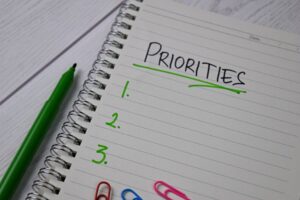
Prioritising involves identifying your most important tasks and activities and focusing your energy on those, while delegating or postponing less crucial ones.
- Essential tasks first: Focus on what must be done (meals, hygiene) and leave less urgent tasks for later.
- Ditch or delegate: Let others help with non-essential tasks or postpone them.
- Say no when necessary: Protect your energy by avoiding overcommitment.
- Completing activities, we enjoy can put energy back into the tank, while those that we don’t want to do or may be less urgent can be overwhelming and increase levels of fatigue.
Transcript
Prioritising: This involves identifying the most important tasks and activities and focusing your energy on those, while delegating or postponing less crucial tasks. Doing things we enjoy puts energy in the budget. The right amount of exercise, sleep, fun, nutrition, time in nature and relaxation are all important things to put energy back, to recharge.
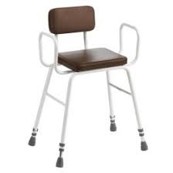
Think about your bodies positioning while completing tasks throughout the day. Consider:
- Bending and reaching can cause fatigue and shortness of breath. Try keeping objects in easy to reach places.
- Consider doing important/ high demanding tasks in sitting rather than in standing, for example, washing up to conserve energy to allow you to complete other tasks throughout the day.
- Consider sitting to shower rather than standing if it makes you breathless.
- Remember to change your position regularly to prevent stiffness and promote mobility.
Transcript
Positioning: Think about your body position while completing tasks throughout the day. Bending and reaching can cause fatigue and shortness of breath. Try keeping objects in easy to reach places. Consider doing important tasks on a perching stool rather than in standing, for example, washing up to conserve energy to allow you to complete other tasks throughout the day. Consider sitting to shower rather than standing if it makes you breathless. Remember to change your position regularly to prevent stiffness and promote mobility.
Activity in booklet: Have a think about how you may use the 4P’s on an activity that you find increases your levels of fatigue.
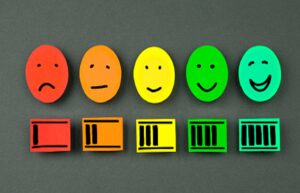
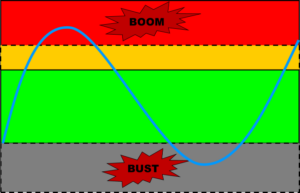
- Every task, big or small requires energy.
- When the battery is flat (red zone), there is no option but to stop and ‘re-charge.’ by active restorative rest
- Your body needs energy to recover, so avoid completely draining it- set a ‘stopping point’ before you ‘hit the wall. Understand what your early warning signs are.
- It is possible to avoid flattening the battery entirely by learning to manage activity and ration the energy, for example, staying in the green zone and energy budget, for when it is really needed, building energy levels over time (pacing).
Transcript
Every task, big or small requires energy. When the battery is flat (red zone), there is no option but to stop and ‘re-charge.’, by active restorative rest
If we feel like we have more charge than usual, it is tempting to do lots and push our limits, only- this flattens the battery even more. Your body needs energy to recover, so avoid completely draining it, set a ‘stopping point.’ It is possible to avoid flattening the battery entirely by learning to manage activity and ration the energy, for example, staying in the green zone/energy budget , for when it is really needed, building energy levels over time (pacing).
If your battery is completely flat, it can take a long time to recharge. Try and stop before your battery runs flat by pacing, pausing to recharge or rest to add some charge throughout the day. Distribute your energy evenly throughout the day to prevent the need to fully recharge the battery. Recognise what your early warning signs may be to allow you to recognise when you may need to STOP before you hit the wall.
Are you able to recognise your ‘early warning signs?’, discuss what these may be.
Take your foot off the gas, doing things more slowly (and pausing to rest) is evidenced as a more efficient way of using energy. Much like a car will go longer and further at 30mph rather than 70mph.
Post Exertional Malaise (PEM)
Won’t be applicable to everyone, however important to be aware of-
- Commonly associated in those who have specific conditions, for example, Long Covid, ME/CFS
- Marked increase in symptoms to over-exertion and increased activity
- Can be a delayed onset- up to 24 to 72 hours post exertion
- Most commonly reported symptoms of PESE include:
- Flu-like symptoms (muscle aches and pains, headaches and sore throat)
- Physical fatigue
- Increased brain fog
Transcript
Won’t be applicable to everyone, however important to be aware of.
Commonly associated in those who have specific conditions, for example, Long Covid, ME/CFS.
Marked increase in symptoms to over exertion or increased activity.
Can be a delayed onset- up to 24 to 72 hours post exertion
Most commonly reported symptoms of PESE include:
- Flu like symptoms (muscle aches and pain, headaches and sore throat)
- Physical fatigue
- Increased brain fog
As well as the 4 P’s, here are some strategies to support with fatigue management:
- Completing activity/fatigue diaries. This can help you to find a ‘baseline’, support with the 4 P’s and to manage activities throughout the week.
- Using the traffic light system when looking at your activities.
- Incorporate the 4 P’s as much as possible into your daily/ weekly routines.
- A.D.J.U.S.T: Adjust, delegate, judge, understand, savour, talk
- Spoon theory: The spoon theory is a creative way to explain to friends and family what it’s like living with chronic illness. Often people can have limited energy, represented by spoons. Doing too much in one day can leave you short on spoons the following day.
Transcript
As well as the 4 P’s, here are some strategies to support with fatigue management:
Completing activity or fatigue diaries. This can help you to find a ‘baseline’, support with the 4 P’s and to manage activities throughout the week.
- Activity diaries and how these can be used. Any experience of these? (signpost to workbook for people to have a go at using).
Using a traffic light system when looking at your activities. The traffic light system: This can be a strategy used to help you identify which activities are very demanding on your fatigue levels and which activities may be less demanding. Thinking about activities in this way can help you to plan your day.
Remember to consider the cognitive, emotional and social demands of activities, as well as the physical demands.
- Red: Demanding activities
- Amber: Moderate activities
- Green: Light or relaxing activities
ADJUST
A: Adjust
Adjust your expectations of yourself and what you can do now.
Remembering how things used to be, wishing and waiting for the fatigue to lift or alternatively pushing through irrespective of your energy budget, can contribute to the negative impact of fatigue.
D: Delegate
Ditch and delegate the things that aren’t meaningful or pleasurable, leaving energy to engage in valued activities.
J: Judge
What is in my energy budget? How can I neither over nor under exert myself?
U: Understand
That fatigue is real. Even if you or others can’t see it. The Spoon Theory on page 20 may help.
S: Savour
Savour the time you can spend doing the things you enjoy and make time to do them within your energy budget.
T: Talk
We often don’t like being the one who is always complaining about how hard things are. Being able to speak to a professional or trusted friend will help give a different perspective.
It can be hard to see the wood for the trees when we are fatigued. Others may be able to spot ways that we can conserve and (or) budget our energy more effectively.
As well as being helpful, this can also help us feel less isolated and better understood.
Spoon theory: The spoon theory is a creative way to explain to friends and family what it’s like living with chronic illness. Often people can have limited energy, represented by spoons. Doing too much in one day can leave you short on spoons the following day.
Fatigue and food
Welcome to the dietitians session on fatigue and food. In this session we will explore how what you eat and drink can play an important role in managing your fatigue.
- Qualified health care professionals that can assess and treat dietary and nutritional problems
- Dietitians use dietary and lifestyle techniques to aim to improve symptoms and conditions.
- Dietitians use the most up-to-date public health and scientific research on food, health and disease
- Dietitians offer face to face, telephone and video appointments
Transcript
Finding reliable information on what we eat and drink can be difficult, especially if you have a medical condition. There is a lot of advice in the media, but not all of it is accurate. Dietitians can assess and treat dietary and nutritional problems. They use the latest scientific research to give practical, personalised advice that helps people make informed everyday choices.
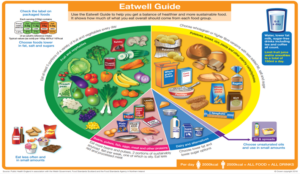
This is the Eatwell guide and it shows how much of what we eat overall should come from each food group to achieve a healthy, balanced diet. You do not need to achieve this balance with every meal, but try to get the balance right over a day or even a week.
Of course, there may be days when eating a balanced diet isn’t possible—especially if you’re recovering from an illness or experiencing symptoms that affect your appetite, such as pain or fatigue. On those days try to have something from each food group but if this isn’t possible focus on the protein and carbohydrate foods. Protein foods are in the pink and blue sections and includes beans, nuts, meat, fish, lentils, eggs. Protein can aid muscle strength and recovery, aim to have 2 to 3 portions a day from teach of the sections. Carbohydrates are in the yellow section and include bread, potatoes, pasta, cereals and rice. It is a good idea to have some with each meal as these will provide long-term energy, fibre, iron and B vitamins. 1 portion = 2 to 3 tablespoons of cereal, rice or pasta, 1 medium potato.
Fats in the form of oils and spreads are in the purple section and are still an important part of the diet in small quantities. Fats provide us with energy, support brain health and help us to absorb certain vitamins. It is healthier for these to be from vegetable or plant sources rather than animal fats.
Fruits and vegetables have the green background. Try to have some every day as they contain a range of vitamins and minerals to help support your immune system. When you can aim for 5 portions a day. Tinned, fresh, frozen and dried all count.
Transcript
This is the Eatwell guide and it shows how much of what we eat overall should come from each food group to achieve a healthy, balanced diet. You do not need to achieve this balance with every meal but try to get the balance right over a day or even a week.
Of course, there may be days when eating a balanced diet isn’t possible, especially if you’re recovering from an illness or experiencing symptoms that affect your appetite, such as pain or fatigue. On those days try to have something from each food group but if this isn’t possible focus on the protein and carbohydrate foods.
Protein foods are in the pink and blue sections and includes beans, nuts, meat, fish, lentils, eggs. Protein can aid muscle strength and recovery, aim to have 2 to 3 portions a day from teach of the sections.
Carbohydrates are in the yellow section and include bread, potatoes, pasta, cereals and rice. It is a good idea to have some with each meal as these will provide long-term energy, fibre, iron and B vitamins. 1 portion = 2 to 3 tablespoon of cereal, rice or pasta, 1 medium potato.
Fats in the form of oils and spreads are in the purple section and are still an important part of the diet in small quantities. Fats provide us with energy, support brain health and help us to absorb certain vitamins. It is healthier for these to be from vegetable or plant sources rather than animal fats.
Fruits and vegetables have the green background. Try to have some every day as they contain a range of vitamins and minerals to help support your immune system. When you can aim for 5 portions a day. Tinned, fresh, frozen and dried all count.

- To help bowels and bladder empty more easily and to keep these healthy
- Maintain blood pressure
- Reduce headaches and dizziness caused by dehydration
- Support wound healing and keep skin healthy
- Supports immune system
- Can reduce fatigue
Having enough fluid is important for our overall health as it prevent dehydration and headaches .It can reduce fatigue and joint pain as well as have a positive impact on bowel habits. Try and have at least 8 cups or 1.5 to 2 litres of fluid spread out throughout the day. Alcohol doesn’t count and Limit sugar and caffeinated drinks to around a maximum of 3 daily as these can have dehydrating effect. If having fruit juice keep to recommended portion of 150ml. So think about making 1 positive change to your overall health and have a glass of wate as soon as you waken up.
Transcript
Having enough fluid is important for our overall health as it prevent dehydration and headaches .It can reduce fatigue and joint pain as well as have a positive impact on bowel habits. Try and have at least 8 cups or 1.5 to 2 litres of fluid spread out throughout the day. Alcohol doesn’t count and Limit sugar and caffeinated drinks to around a maximum of 3 daily as these can have dehydrating effect. If having fruit juice keep to recommended portion of 150ml. So think about making 1 positive change to your overall health and have a glass of wate as soon as you waken up.
What is GI?
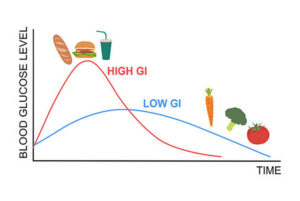
The glycaemic index (GI) is a rating system for foods containing carbohydrates. It shows how quickly each food affects blood glucose levels when that food is eaten on its own.
How does it help?
Foods that are low GI (also known as slow release carbs) have a slower increase in blood glucose levels which help to keep energy levels stable and avoid large fluctuations.
Transcript
Carbohydrate containing foods can be classed according to their glycaemic index ( GI). This is a rating system that shows how quickly sugar from these foods is absorbed into the body. High GI foods are carbohydrates that are broken down quickly and cause a quick and sharp increase in blood glucose levels. These foods are sugar, sugary foods and soft drinks, white bread or rice and some potatoes Low and medium GI foods are carbohydrate foods that are broken down more slowly and cause a gradual rise in blood sugar levels over time: These include fruit and vegetables, pulses, wholegrain foods and Oats. These can help to manage your energy levels as the sugar from these foods is absorbed more slowly giving us a slower and more sustained release of energy.
| Carbohydrate Food | Lower GI choice |
| Bread | Multigrain, granary, rye, seeded, wholegrain, oat, sourdough |
| Potatoes | New potatoes in skins, sweet potato, yam |
| Pasta | Brown, all pasta if cooked al dente |
| Rice | Basmati, long grain, brown |
| Other grains | Bulgar wheat, barley, couscous, quinoa |
| Breakfast cereals | Porridge, muesli, most oat or bran-based cereals |
Transcript
This table shows broadly which foods are high GI and which are low. A healthy way to use the low GI principles is to swap higher GI foods to a range of lower GI carbs. For example, swap a sugary cereal for porridge and white bread for wholegrain.

- Cook once, eat twice”: If you have freezer space you could make several portions and freeze some.
- Use pre-prepared options like grated cheese, pre-washed salad bags, rice pouches or pre-peeled and chopped vegetables.
- Recipes with fewer steps can be easier, for example, one pot meals on the hob or use a slow cooker
- Spread tasks out throughout 1 to 2 days, for example, consider preparing food at a different time to cooking the food.
- Make a 7 day meal plan where don’t have to think about it in the moment and can prevent decision fatigue.
Transcript
Cooking and food preparation can be difficult when you’re feeling fatigued. The following tips can help you conserve energy and make the most of your day.
- Batch cook on the days when you feel better. Prepare larger quantities and freeze portions for low-energy days.
- Use ready-made or partially prepared food items.
- Rely on recipes with fewer steps such as one-pan, slow cooker, or air fryer meals. These minimise effort, dishes, and clean-up.
- Spread tasks over 1 to 2 days for example consider preparing food in the morning time for your evening meal
- Spending time making a meal plan can save you money, enable you to use up all the ingredients and prevent that decision fatigue when it comes to eating.