

Child protection supervision policy
Document control
- Author: Wendy Brown, Named Nursed for Safeguarding Children
- Corporate lead: Executive director of nursing and allied health professionals
- Document version: V5
- Document status: Final
- Date approved by Clinical and Corporate Policies Group: 5 June 2023
- Date ratified by SMT: 8 June 2023
- Date issued: 29 June 2023
- Next review date: June 2026
- Policy number: PL361
Executive summary
This policy provides Leeds Community Healthcare NHS Trust (LCH) with a framework for child protection supervision and sets out the statutory responsibilities and regulatory requirements that ensure staff receive the appropriate level of support and supervision in line with their roles and responsibilities when working with children, young people and families (Not Seen Not Heard CQC 2016, Care Quality Commission 2016, HM Government 2018).
The roles and responsibilities for LCH staff are outlined regarding providing, accessing, evaluating and monitoring compliance of child protection supervision. The policy provides a menu of options on a variety of ways child protection supervision may be delivered. The core functions and purpose of supervision are detailed within the policy.
Staff delivering care, directly or indirectly, to children, young people and families must discuss the appropriate level of child protection supervision required to support them in their professional role with their line manager.
If a practitioner needs urgent advice regarding a child and (or) family, they must obtain this immediately without delay from their manager, LCH Safeguarding team, named or designated professionals or children’s social work services and not wait for their scheduled child protection supervision.
Equality analysis
Leeds Community Healthcare NHS Trust’s vision is to provide the best possible care to every community. In support of the vision, with due regard to the Equality Act 2010 General Duty aims, Equality Analysis has been undertaken on this policy and any outcomes have been considered in the development of this policy.
Table of content
- Introduction
- Purpose
- Scope
- Definitions
- Responsibilities
- Supervision
- Safeguarding peer support
- Mental Capacity Act (MCA 2005 Code of Practice)
- Education and training requirements
- Monitoring compliance and effectiveness
- Approval and ratification process
- Dissemination and implementation
- Review arrangements
- References
- Associated documents
- Appendices
1. Introduction
Healthcare practitioners have a significant role in relation to ensuring that children and young people are safeguarded from harm and therefore require a clear structure of child protection supervision to support their practice (Nursing and Midwifery Council 2018, General Medical Council 2013, Health and Care Professions Council 2016). Working to ensure children are protected from harm requires sound professional judgements to be made. It is demanding work that can be distressing and stressful. Child protection supervision must support a restorative approach.
All of those involved must have access to advice and support from peers, managers, named and designated professionals. Child protection supervision must facilitate case focused discussion which supports practitioners to reflect on decision making and promotes analytical thinking (HM Government 2018).
2. Purpose
The purpose of this policy is to provide a framework for the practice of Child Protection Supervision within LCH which will ensure that staff from the Trust receive the appropriate level and model of supervision when dealing with cases where there are concerns about the welfare of a child.
3. Scope
This policy is for all:
- All staff working on behalf of LCH and working directly or indirectly with children, young people and families.
- Child protection supervisors
The policy recognises that some services may agree standards for supervision that exceed the minimum standard set out in this policy.
4. Definitions
A child: being under the age of 18 years.
Young person: being between 13 and 18 years (inclusive) and up to their 18th birthday
Direct contact: cases where the practitioner is providing a service or care to a child or young person.
Indirect contact: cases where the practitioner is providing a service or care to an adult who is caring for, is related to or has close contact with a child or young person.
Drift: A term commonly used within safeguarding, drift is the lack of an outcome-focussed approach with limited evidence of progression within an action plan.
Child protection supervision: a meeting or a discussion between a supervisor and a supervisee/s, where both supervisor and supervisee reflect on, explore and evaluate the work carried out, assessing the strengths and challenges of the supervisee, providing coaching development and pastoral support for the supervisee. Some supervisor direction may also be required.
Child protection plan: a child protection plan is the outcome of an initial section 47 enquiry taken forward to an Initial Child Protection Conference. The child protection plan is a family and multi-agency plan drawn up during the conference by the local authority. It sets out how the child can be kept safe, how things can be made better for the family, and what support they will need.
Child in need: defined under the Children Act 1989 as a child who is unlikely to achieve or maintain a reasonable level of health or development, or whose health and development is likely to be significantly or further impaired, without the provision of services; or a child who is disabled. Children in need may be assessed under section 17 of the Children Act 1989 by a social worker (HM Government 2018). The plan is the agreed outcome of a voluntary family and multi-agency meeting.
Designated professionals: the term designated doctor or nurse denotes dedicated professionals with specific roles and responsibilities for safeguarding children, including the provision of strategic advice and guidance to organisational boards across healthcare services and to local multi-agency safeguarding organisations (Royal College of Nursing, 2019). In Leeds, this practitioner is based within the NHS West Yorkshire Integrated Care Board (ICB) for Leeds.
Named professionals have a key role in promoting good professional practice within their organisation, providing advice and expertise for fellow professionals, and ensuring safeguarding training is in place. They provide clinical leadership, strategic planning and are members of the local multi-agency safeguarding organisations (Royal College of Nursing, 2019). Within LCH, these professionals are based within the Corporate Safeguarding team.
Supervisee: any member of staff who has regular direct or indirect delivery of care to children within any setting.
Trauma informed practice: an approach to health and acre interventions which is grounded in the understanding that trauma exposure can impact an individuals neurological, biological, psychological and social development.
5. Responsibilities
The chief executive is responsible for ensuring effective corporate governance within the Trust and therefore supports organisation wide implementation of this policy.
Executive director of nursing and allied health professionals is responsible for ensuring that there are mechanisms in place for overall implementation, monitoring and revision of this policy.
Designated professionals are responsible for providing professional advice and support to the named professionals, commissioners and all providers of children’s services on professional issues relating to child protection supervision.
The designated doctor must provide expert advice and child protection supervision for doctors on request on an individual case basis.
Named professionals are responsible for providing professional advice in relation to safeguarding children to all staff within the trust. This includes providing one-to-one supervision for individuals when requested.
Safeguarding named nurses and named doctors will have child protection supervision with the designated nurse and doctor not less than 3 monthly.
The Safeguarding team are responsible for:
- providing training and support for safeguarding supervisors
- monitoring and reporting attendance of supervisors at safeguarding peer support meetings
- monitoring and reporting supervisee feedback.
Business unit clinical leads, general managers, and clinical and operational heads of service, managers, and team leaders must ensure:
- that staff time and training is available to allow child protection supervision to take place
- all required staff are aware of policy through induction processes
- that staff are supported to access appropriate supervision for their individual level of involvement with children and families
- that there are adequate numbers of supervisors within the service
- named supervisors are able to provide supervision as part of workload objectives
- there are systems and processes in place for recording, monitoring and reporting of attendance at child protection supervision
- there are systems in place to ensure that staff who are not compliant are identified and plans put in place to ensure compliance
- operational or performance issues identified to them by supervisors, Named Nurses or other sources in regard to the policy are addressed through LCH Risk Management Policy and Procedure (PL354).
Safeguarding supervisors are an important source of advice and expertise, and therefore the relationship between the supervisor and supervisee is one that should be based on respectful, honest and constructive challenge as well as supporting reflective learning and providing the opportunity for the practitioner, to explore any blocks to effective safeguarding practice in a safe environment (Brandon et al 2012).
LCH supervisors are encouraged to adopt a Trauma Informed approach to practice and encourage or demonstrate professional curiosity within the supervision sessions.
The active list of LCH safeguarding supervisors is held with the safeguarding team administrators.
LCH safeguarding supervisors are responsible for:
- undertaking child protection training in line with:
- undertaking additional specialist training in child protection(CP) supervision (see appendix 1). Facilitated by LCH corporate safeguarding team or have evidence of other CP supervisor training been undertaken.
- attending a minimum of two safeguarding peer support (SPS) sessions in a 12-month period which they are responsible for keeping a record of (see section 7)
- supervising 3 practitioners without any additional support (if working full-time hours)
- preparing for child protection supervision sessions by being available to the supervisee either face to face or in a virtual arena
- raising awareness of the Child Protection Supervision Agreement (appendix 2), which includes ensuring that supervisees are aware of their roles and responsibilities, in reference to accountability and confidentiality
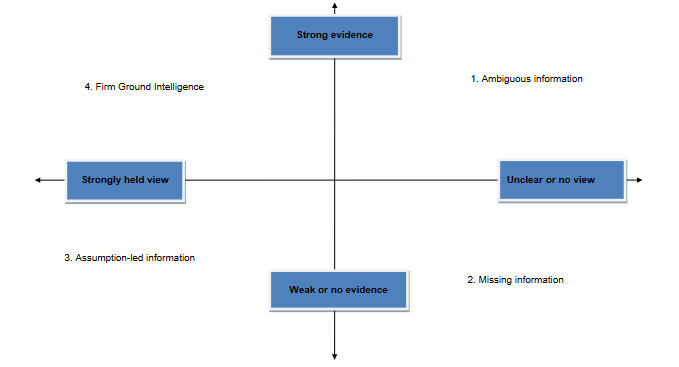
- utilising supervision tools, discrepancy matrix and 7Ps (appendix 3) that are highlighted within LCH supervisor training
- ensuring the supervision session includes a brief discussion of vulnerable children and families being managed by the supervisee to gain oversight of the level of risk a supervisee is undertaking
- revisiting action plans if needed
- accepting joint responsibility for agreed decisions reached in supervision
- ensuring that all key decisions and (or) actions agreed within one-to-one supervision are recorded within the child’s electronic patient record on the supervision template and previous recorded actions are reviewed and updated, ideally by both supervisee and supervisor
- ensuring discrimination does not take place within child protection supervision and to acknowledge and deal with any issues which impede effective communication
- having transparent conversations, reporting individual or organisational issues identified in supervision to the supervisee’s line manager as appropriate
- identifying shortfalls in their own performance and seek support to manage these at safeguarding peer support meetings or individually with their own supervisor
- annually reflect on the supervisor/supervisee relationship, consider are they offering what the supervisee needs, could or would a change of supervisor be useful? Revisit the supervision agreement annually
- escalate any concerns as a result of identified unsafe practice (see section 6.3)
Supervisees (recipient of the supervision) are responsible for:
- accessing the appropriate level and frequency of supervision in line with their roles and responsibilities
- attending child protection supervision on time and preparing for the session by identifying families to be discussed and areas for exploration (having the clients’ electronic patient record available at the supervision is useful)
- becoming familiar with supervision tools (Appendix 3) used by the supervisor
- providing a verbal overview of their case load vulnerabilities (see section 6.2)
- actively participating, being open and sharing information within the session
- giving and accepting constructive feedback and participate in problem-solving
- implementing agreements and action plans and updating the electronic patient record on the supervision template, informing child protection supervisor and line manager if plans cannot be implemented
- maintaining confidentiality
- identifying issues in themselves or the supervisor which may impede communication with particular emphasis on power, gender, values attitudes, beliefs, and cultural differences.
Escalating to the line manager any challenges in accessing supervision - keeping a record of attendance at child protection supervision and any themes, lessons learned or identified actions discussed as part of their individual professional reflective diary. Reflections may also support appraisals and/or revalidation requirements
- annually reflect on the supervisee or supervisor relationship, consider are they offering what the supervisee needs, could or would a change of supervisor be useful? Revisit the supervision agreement annually
- completing supervision evaluation/evaluation tool yearly. The evaluation tool will be sent electronically via the Safeguarding team.
All staff employed by Leeds Community Healthcare NHS Trust must work in concordance with the Leeds Safeguarding Multi-agency policies and procedures and local guidelines in relation to any safeguarding concerns they have for service users and the public with whom they are in contact.
6. Supervision
6.1 Key functions and characteristics of positive supervision
Each session will include agreeing the agenda, reviewing actions from previous supervision, listening, exploring, and reflecting, agreeing actions and reviewing the supervision process itself. The supervisor should offer respectful and professional challenge to the supervisee where needed.
The key functions of child protection supervision are:
- management (ensuring competent and accountable performance or practice and ensuring that policies and procedures are adhered to)
- development (continuing professional development, encouraging reflection on work, deepening understanding and developing new skills)
- support (supportive or restorative function to provide support for practitioners and explore strategies for coping and self-care)
- engagement and mediation (engaging the individual with the organisation)
Effective child protection supervision is important, it promotes standards of good practice and support for practitioners working with families and children. Effective supervision:
- keeps the focus on the child
- avoids drift
- maintains objectivity and challenges fixed views
- tests and assesses the evidence base for decisions
addresses the emotional impact of work.
6.2 Content of child protection supervision and cases to bring to child protection supervision
The purpose of child protection supervision is to:
- reflect on high-risk cases and to consider any cases where there may be issues. Consider strengths and where things could be improved, when it would be useful for the practitioner to take time to reflect
- forward plan and identify actions in a clear, precise way, ensuring actions are achievable and are not contradictory: establish boundaries for who does what, to ensure that actions are consistent with role, status and department or section responsibilities
- identify gaps in skills and knowledge needed to accomplish the action and any process which could challenge or obstruct the completion of the action. Consider the need to escalate identified concerns
Stresses and vulnerabilities will include a range of issues for children, young people and families. The following list, which is not exhaustive, identifies vulnerabilities within a child’s and family’s life and suggests cases which may be considered by supervisees to bring to child protection supervision:
- Children who are subject to a child protection plan
- Children subject to a child in need plan
- Children and families who are experiencing stress or have identified vulnerabilities, for example, a child is looked after or a child’s needs are not being met, domestic abuse, parental substance misuse, mental ill health, learning difficulty or disability.
- Identified challenges to partnership working
- Cases in which staff are core group members
- Any other cases raising concern, for example, female genital mutilation (FGM), prevent, human trafficking, family group conferencing, and any factors that may hinder family engagement.
6.3 Confidentiality
Confidentiality will be maintained except if information is disclosed by the supervisee that identifies a risk for others, illegal activity, a breach of Professional Codes of Conduct or non adherence to trust policies and procedures or if there is cause for concern about the well-being or the competence of the supervisee. In these circumstances the duty of the supervisor is to discuss with the supervisee their concerns and the action that will be taken. The supervisor must ensure the supervisee’s manager is informed. It is important that both parties understand this fact and in most cases the supervisee will be encouraged and given an opportunity to inform their manager themselves, before the supervisor is obliged to. Equally supervisees may sometimes have to breach confidentiality for similar reasons. If they have concerns they must discuss these with the supervisor initially. If this does not resolve the matter they must then inform their own line manager.
6.4 The supervision process
Child protection supervision is not an optional extra. It is recognised that a flexible approach is required for individual staff and staff groupings to meet the requirements of this policy. The policy, therefore, reflects a framework which may be adapted to a number of models as follows:
- One to one supervision
- Group supervision: Single or multi-disciplinary.
One to one supervision: is a dedicated pre-planned one to one discussion or session lasting approximately 60 minutes between a supervisee and supervisor. The discussion will include use of the discrepancy matrix and (or) seven Ps perspective (see appendix 3).
One to one supervision may also include child protection advice and support, verbally or face to face, from a line manager, named or designated professionals. These discussions must be recorded as child protection supervision by the supervisor and the supervisee.
Peer supervision may be sought from a trusted peer who has attended the child protection supervisors training and recorded as one to one supervision. These discussions must be recorded as child protection supervision by the supervisor and the supervisee and if individual cases are discussed this must be recorded in the child or family records.
Group supervision: Professionals from the same professional group or from different professional groups may meet to discuss child protection cases.
For example: supervision of medical staff
All community paediatricians working on the LCH on call rota receive peer group supervision via:
- The weekly child protection meeting
- The monthly colposcopy peer review meeting
- Monthly clinical governance meeting
Group supervision can offer challenges with regards to facilitating and managing several participants together. The facilitator or supervisor must highlight two supervisees (practitioners presenting) per session. The facilitator might ask what the presenter wants from the session? The presenter may consider the use of a family tree.
The members of the group (no more than 10 group members are recommended) must all complete a discrepancy matrix.
Remind practitioners to be respectful of each other and listen, consider ground rules, this could include a time manager and (or) participants writing down questions during the narrative of the session to be asked at the end to avoid interruption. Offer constructive comments and (or) suggestions, challenge in a respectful manner. The discussion must include the whole group and participants can then assist with formulation of any action plan.
An example of a recorded group supervision session can be found on the My LCH, Safeguarding page.
6.5 Recording of child protection supervision
The following documentation must be completed:
- Child protection supervision template as part of the child’s electronic record. This must include:
- Reason for bringing case to supervision
- Key actions
- Assessed risk to the child and how being managed
- Record if the risk management plan is to continue or if plan is changed.
These are included in the guidance tab within the electronic patient record supervision template, and should be marked as ‘safeguarding relevant’.
Ideally documentation should be completed immediately and in the presence of the supervisor. If this is not reasonably practical, documentation must be completed within 24 hours following the supervision session.
- Supervisees must update their own Electronic Staff Record (ESR) record via self-service following their session using the links below:
- To update existing child protection supervision record: ESR Guides for Employees
- To create a new child protection supervision record: ESR Guides for Employees
If having group supervision, unless otherwise agreed, individual group members must update their own ESR record as per the above instructions.
Documentation retained by supervisees or supervisors (for example, discrepancy matrix) must not contain person-identifiable information.
In group supervision it remains the responsibility of the Supervisee (practitioner presenting) to record on the safeguarding supervision template in the child’s record.
6.6 Frequency of child protection supervision
All staff providing direct or indirect delivery of care to children, young people and families must have child protection supervision, as minimum, every 3 months [once per quarter]. Child protection supervision requirements are included in ESR competency role matrix.
For further support, guidance and quality and assurance, practitioners or services can request or will periodically be offered tripartite supervision with a member of the Safeguarding team.
6.7 Changing child protection supervisor
The child protection supervisor and (or) supervisee can request a change of supervisor.
In the event of a breakdown in the supervisory relationship the supervisor and supervisee’s line manager must be informed. This type of disagreement is not a reason for not receiving child protection supervision. It is incumbent on both supervisor and supervisee to act to resolve the problem as soon as possible.
7. Safeguarding peer support
Safeguarding peer support (SPS) enables the exchange of safeguarding information and supports practitioners around the process involved in being a child protection supervisor. The two SPS sessions to be undertaken annually are additional to the supervisors own, individual or group case load supervision.
SPS will be offered by the Safeguarding Children team on a quarterly basis and can be booked via ESR. A child protection supervisor may request individual sessions from the Safeguarding Children team via email or telephone if required.
The format of the Safeguarding Peer Support session is as follows:
- Opportunity for each child protection supervisor to discuss or explore any challenges they face in offering supervision and (or) any issues raised by supervisees.
- Opportunity for each child protection supervisor to give information about the numbers of staff supervised.
- Short update from the SPS facilitator regarding current safeguarding practice, events and learning to be shared by the supervisor with supervisee and other colleagues and or teams to help disseminate safeguarding information.
The safeguarding administrator will record attendance of the supervisor at the SPS sessions in line with recording of child protection supervision and report in accordance with trust arrangements.
8. Mental Capacity Act (MCA 2005 Code of Practice)
It’s important for safeguarding supervisors to be mindful of the MCA when discussing young people 16 to 18 yrs.
The Mental Capacity Act is concerned with decision making for people who lack capacity to make decisions or want to plan for a time in the future when they may lose capacity to make certain decisions. The Act generally applies to those over the age of 16 years. Section 5 of the act allows carers and health and social care staff to carry out certain tasks without fear of liability. Section 44 introduces the offences of ill-treatment and wilful neglect.
8.1 Children under 16 years
The Act does not generally apply to children under the age of 16 years except:
- When the Court of Protection is involved over decisions regarding property and affairs where the decision(s) may extend beyond the child attaining the age of 18 years
- Offences of ill treatment or wilful neglect of a person who lacks capacity can also apply to victims younger than 16 years (section 44). The Children Act 1989 usually applies in most cases.
8.2 Young people aged 16 to 17 years
Most of the Mental Capacity Act applies to young people aged 16 to 18 years who may lack capacity to make specific decisions, however there are three exceptions:
- Only people aged 18 and over may make a lasting power of attorney
- Only people aged 18 and over can make advanced decisions refusing treatment
- The Court of Protection may only make a statutory will for a person aged 18 or over
This guidance in the Mental Capacity Act 2005 Code of Practice is designed specifically to assist carers, health and social care practitioners in the assessment of mental capacity and, where necessary, making decisions on behalf of individuals who lack capacity in their best interests. The incapacity to make decisions must be due to an impairment or disturbance of the functioning of their mind or brain (rather than immaturity or being overwhelmed by the implications of the decision). If an individual over the age of 16 years has capacity to make care and treatment decisions their decisions must be respected. Where decisions for those under the age of 16 years are made by the person with parental responsibility that person must have the capacity to make those decisions. Detailed guidance is available in the Mental Capacity Act 2005 Code of Practice.
9. Education and training requirements
The Safeguarding team will ensure sufficient supervision training courses are available for staff required to train as a supervisor.
Managers who offer advice to staff in relation to child protection must have undertaken child protection training level 1 and 2 (in-house), single agency training (either face-to-face or e-learning), and the Leeds Local Safeguarding Children Partnership (LSCP) Multi Agency “Working Together” NHS Level 3 training. With some services the LSCP training may not be suitable and in that event, evidence of the NHS England Level 3 Safeguarding Children training would be considered appropriate. They must always consider signposting to LCH safeguarding team.
Services having very infrequent contact with children or parents, must have some arrangement for a nominated supervisor directorate manager and (or) corporate lead who is trained to Level 3 and can offer supervision for a number of teams or services.
10. Monitoring compliance and effectiveness
| Minimum requirement to be monitored and audited | Process for monitoring and audit | Leads for the monitoring and audit process | Frequency of monitoring and auditing | Lead for reviewing results | Lead for developing and reviewing action plan | Lead for monitoring action plan |
|---|---|---|---|---|---|---|
| Staff compliant with policy, all relevant staff receive child protection supervision every 3 months. | ESR report which shows staff compliance and is discussed at safeguarding committee. | Safeguarding administrator and Head of service for safeguarding | Monthly | Head of service for safeguarding, named nurse for safeguarding children and safeguarding committee | Clinical and operational heads of service | Head of service for safeguarding and named nurse for safeguarding children |
| Numbers of supervisors within services | Safeguarding team data | Specialist nurse advisor within safeguarding team | Every 6 Months | Specialist nurse advisor within Safeguarding team | Named nurse for safeguarding children and specialist nurse advisor within Safeguarding team | Named nurse for safeguarding children and specialist nurse advisor within Safeguarding team |
| Attendance of child protection supervisors at two group supervision sessions per year | Safeguarding team data | Specialist nurse advisor within safeguarding team | Annual | Specialist nurse advisor within Safeguarding team | Named nurse for safeguarding children and specialist nurse advisor within Safeguarding team | Named nurse for safeguarding children and Safeguarding team |
| Supervisee’s evaluation | Annual evaluation survey posted via safeguarding team | Specialist nurse advisor within safeguarding team | Annual | Specialist nurse advisor within Safeguarding team | Named nurse for safeguarding children and specialist nurse advisor within Safeguarding team | Named Nurse for safeguarding children and Safeguarding team |
11. Approval and ratification process
This policy has been approved by the clinical and corporate policies group and ratified by the Senior Management team on behalf of the LCH board.
12. Dissemination and implementation
Dissemination of this policy will be via the Clinical and Corporate Policy Group to services and made available to staff via the intranet.
Implementation will require:
- Operational directors, heads of service and general managers to ensure staff have access to this policy via the manager’s cascade and team brief and ensure they understand their responsibilities for child protection supervision
- Robust procedures in place locally to provide support for staff and which comply with the requirements of this policy
- The Safeguarding team to provide appropriate support and advice to staff on the implementation of this policy
The policy will be available within the child protection manual via the intranet, which is linked through to Leeds Health Pathways.
13. Review arrangements
The policy will be reviewed in three years by the authors, or before as legislation indicates.
14. References
- Care Quality Commission (2016) Not seen, not heard
- Department for Constitutional Affairs (2007) Mental Capacity Act 2005 Code of practice
- Brandon, M. et al (2012), New learning from serious case reviews: a two year report for 2009 to 2011 Research Report DFE-RR226
- General Medical Council (2013) Ethical Guidance for Doctors
- Health and Care Professions Council (2016) Standards of conduct, performance and ethics
- HM Government (2018) Working together to safeguard children
- Leeds Safeguarding Children Partnership (2018) Supervision: policy and guidance
- Early Years for Levels 4, 5 and Foundation Degree Second Edition Morrison, T; Wonnacott, J; Frankel J. (2009) Guide to the Supervision of Workers during the early development period. CWDC. Leeds.
- Nursing and Midwifery Council (2018) The Code
- Royal College of Nursing (2019) Safeguarding children and young people: roles and competences for health care staff (intercollegiate document) 4th ed.
- Wonnacott, J. (2012) Mastering social work supervision
- Wonnacott, J. (2014) Developing and Supporting Effective Staff Supervision. Brighton: Pavilion
Relevant legislation
Useful website
15. Associated documents
- GL088 Leeds CAMHS Line Management and Supervision Guidance
- PL312 Clinical Supervision Policy
- PL354 LCH Risk Management Policy and Procedure
16. Appendices
16.1 Appendix 1: Competencies for child protection supervisors before training to become a supervisor
Staff who wish to offer child protection supervision must be a minimum of a band 6 and have the following competencies prior to starting the training course to become a child protection supervisor.
- Experience and understanding of clinical supervision delivering or (and) receiving.
- Ability to offer respectful professional challenge.
- Ability to reflect on own and others practice.
- Clear communication skills
- Experience, knowledge and skills in managing and contributing to the child protection process
- Knowledge of current child protection policies, procedures and guidelines
- Experience of partnership and multi-agency working in safeguarding children.
16.2 Appendix 2: The child protection supervision agreement
This agreement is an accepted understanding between the practitioner (supervisee)and the child protection supervisor.
“Child protection supervision is a process to which either individuals or groups of individuals are committed.
It is a supportive and enabling means of encouraging professionals to reflect on their practice, adopt critical thinking enabling valid decision making. It takes place in a safe environment and optimises its potential for maintaining effective practice in child protection.”
Central to effective supervision is the need to pay attention to all factors that might impact on the supervisor/supervisee relationship and to make sure that these are overt as opposed to covert as they could unintentionally inhibit open honest exploration of relevant issues.
Child protection supervision involves:
- discussing cases of actual or suspected child maltreatment, abuse or neglect
- discussing cases at varying levels of concern. From high-risk cases to those with early potential indicators.
| Practicalities | Are the sessions meeting your needs Review annually. |
| Frequency | 3 monthly for those in direct or indirect contact with children. Supervision can be sought between sessions. |
| Length | 1 to 1 and half hours maximum |
| Venue or virtually | To suit practitioner and supervisor |
Rights and responsibilities within agreement
| Confidentiality | Confidentiality is respected unless a risk to practice is identified, and accountability issues are raised. In these cases, the issue will be first raised with the supervisor or supervisee prior to contacting the relevant manager/td> |
| Choice | Practitioner is free to choose a supervisor from outside the immediate team. |
| Professional responsibility | The identification of cases to bring to supervision lies with the practitioner |
| Commitment | To be given priority to enable safe practice |
| Documentation | Details that supervision has taken place should be recorded in the child’s individual electronic patient record with the reason for the supervision. If the outcome is to continue with the plan this must be recorded, outcomes resulting in a change of action or care plan should be recorded and evaluated in the usual way. Ideally documentation should be completed immediately and in the presence of the supervisor. If this is not reasonably practical, documentation must be completed within 24 hours following the supervision session.
Dates of the supervision sessions should be updated on the practitioner ESR. |
16.3 Appendix 3: Discrepancy matrix and seven “Ps” perspective (T Morrison and J Wonnacott 2009)
Discrepancy matrix
Seven “Ps” perspective
- Presenting problem: describe or summarise your understanding of the presenting problem faced by the client or child.
- Pattern and onset: From the information you have ascertained account for when these difficulties started. What patterns have you or others noticed. Consider behaviours.
- Predisposing factors: What is your understanding of the historical influences which represent vulnerability?
- Precipitating factors: What is your understanding of the trigger events or occurrences that immediately precede the client’s or child’s difficulties?
- Perpetuating factors: What is likely to still influence and maintain concerns?
- Protective factors: What has, or could offer a protective buffer against further concerns?
- Prognosis: Based upon the above what is your estimation of the likelihood of the concerns continuing, stopping or at least being halted?