
Accessibility and language tool guide
Skip to content
Leeds Community Healthcare NHS Trust Logo
Careers Contact Us
  • Home
  • Our services (A to Z)
  • About us
    • Access to information
    • Equality and diversity
    • Research
    • Awards
    • Infection prevention and control
    • Clinical and medical education and training
    • Board of directors
    • Working in partnership
    • Safeguarding children and adults
    • Charity
    • Sustainability
  • News
  • Join our team
    • Why work for us?
    • Flexible staff
    • Newly qualified graduates
    • Vacancies
    • Apprenticeships
    • Working and living in Leeds
  • Patient experience and engagement
    • Compliments, comments and complaints
    • Your feedback and experience
    • Person-centred care
    • Get involved
    • Thinking about using a camera or other equipment to monitor someone’s care?
    • Help to access and attend your appointment
    • About Me project
  • Contact us
    • Plan your journey
    • Location finder
    • Press and media enquiries
Skip to content
Leeds Community Healthcare NHS Trust Logo
  • Home
  • Our services (A to Z)
  • About us
    • Access to information
    • Equality and diversity
    • Research
    • Awards
    • Infection prevention and control
    • Clinical and medical education and training
    • Board of directors
    • Working in partnership
    • Safeguarding children and adults
    • Charity
    • Sustainability
  • News
  • Join our team
    • Why work for us?
    • Flexible staff
    • Newly qualified graduates
    • Vacancies
    • Apprenticeships
    • Working and living in Leeds
  • Patient experience and engagement
    • Compliments, comments and complaints
    • Your feedback and experience
    • Person-centred care
    • Get involved
    • Thinking about using a camera or other equipment to monitor someone’s care?
    • Help to access and attend your appointment
    • About Me project
  • Contact us
    • Plan your journey
    • Location finder
    • Press and media enquiries
Leeds Community Healthcare NHS Trust Logo
/Our services (A to Z)/Stroke Rehabilitation team/Adjustment to stroke information/Compassion and criticism following stroke

Compassion and criticism following stroke

Aims

  1. To explore how the brain has developed (old brain vs new brain)
  2. To understand how the brain responds to threat
  3. To understand what compassion is and why it’s so important

Breakdown

Developing a compassionate mind

This video explains that the brain has older more instinctual drives but the processes of the newer brain make us think more and can conflict with the old brain.

That conflict can lead to criticism, blame, self disbelief. The ‘old brain’ is trying to protect you but it doesn’t need to. Please watch this video for more information.

Flight, fight and freeze following stroke
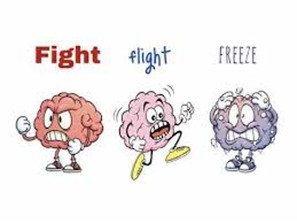
Thinking about a stroke can evoke the fight/flight/freeze response in the old brain.

This is also known as the ‘threat’ response

In threat we lose out ability to think properly, hence, why we can become anxious and low in mood

Fight

This response involves confronting the threat directly, either physically or verbally. It can manifest as aggression, assertiveness, or a proactive attitude to overcome the perceived danger.

Flight

This response involves physically or emotionally escaping the threat. It includes running away, hiding, or creating distance from the perceived danger.

Freeze

This response involves becoming still and immobile, often described as a state of paralysis or being “frozen”. This can be a way to avoid detection by a predator or to conserve energy

Criticism

Anger and self-criticism are normal after stroke. Some examples of this are;

  • Slow recovery
  • Finding things harder
  • Changes in emotions and behaviour.
  • Frustration and worry
  • Can apply to both patients and their carers

Think about the past week or so: Have you criticised yourself for not being able to do something or feeling less than yourself?

How does that make you feel?

Is there another way of looking at it?

Would you have said that to someone else? what might you have said to someone else if they were in your shoes? – would you have approached it differently if it had been someone else?

But emotions are normal

Feeling angry, sad, frustrated and anxious following a stroke are normal responses.

It is nor weak and it does not mean that you are not coping.

Beating yourself or other people up and adding guilt and shame doesn’t help.

Compassion

allow the emotion

Compassion is particularly important after stroke because you’ve been through something very difficult.

How you treat yourself will either:

  • make it worse (if you’re critical of yourself and other people)
  • make it easier (if you’re compassionate towards yourself and others)

How can we build compassion?

  • Self to self: Showing compassion to your self
  • Self to other: Compassion directed to another person/people
  • Other to self: Compassion received from others

Remember …

taking time for yourself to do things you enjoy

Treat yourself how you would treat someone else in your position

Using kind language

Practice makes almost perfect!!

Be kind to yourself about being critical towards yourself!

Take a few minutes to consider some ideas.

Summary

  • Understanding old brain vs new brain.
  • Understanding fight, flight and freeze reactions.
  • How self criticism develops and presents.
  • How to show compassion to yourself and others.

Services that can offer mental health support

  • Leeds Mental Wellbeing Service: Refer yourself
  • Touchstone: Inspiring communities, transforming lives
  • Leeds Mind
  • Live Well Leeds: Referrals

Contact us

  • Phone: 0113 843 2911
  • Email: lcht.community.stroketeam@nhs.net
  • Address: Community Neurological Rehabilitation Service, St Mary’s Hospital, Green Hill Road, Leeds LS12 3QE

The service works 7 days a week, available weekends and bank holidays.

Relay UK free support to help deaf people and those who have hearing loss or have a speech impairment to communicate over the phone.

Contact us

  • Phone: 0113 843 2911
  • Email: lcht.community.stroketeam@nhs.net
  • Address: Community Neurological Rehabilitation Service, St Mary’s Hospital, Green Hill Road, Leeds LS12 3QE

The service works 7 days a week, available weekends and bank holidays.

Relay UK free support to help deaf people and those who have hearing loss or have a speech impairment to communicate over the phone.

survey icon
Tell us what you think

We would love to know what you think of our website and if there is anything we can improve.

Complete our survey and share your thoughts.

Leeds Community Healthcare NHS Trust Logo
Headquarters
Leeds Community Healthcare NHS Trust
White Rose Office Park, Building 3
Millshaw Park Lane
Leeds, LS11 0DL
Useful Links
  • News
  • Current vacancies
  • Contact us
  • Give feedback
Need to speak to someone urgently?
MindMate Website Logo MindWell Leeds Website Logo NHS 111 Logo
© 2026 Leeds Community Healthcare NHS Trust - Website by 6B
  • Accessibility statement
  • Privacy notice
  • Cookie policy
  • Terms and conditions
  • Policies and guidelines