

Types of medications used in persistent pain
Here is some information about the various types of pain medication that you may be prescribed. Not all pain medication are suitable for everyone; therefore we would recommend that you speak to a medicines management nurse or physiotherapist in the Leeds Community Pain Service or your GP or pharmacist for advice before starting or stopping analgesia.
Paracetamol
Paracetamol
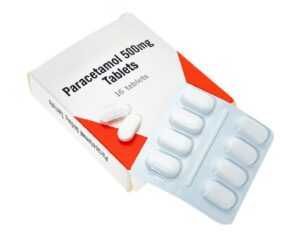
Paracetamol can be useful for some people with persistent pain. From clinical trials there is limited evidence of the benefit of Paracetamol for low back pain, nerve pain, Fibromyalgia and OA. Only continue to take Paracetamol if you find some benefit or reduction in your pain
You should check with your pain specialist or GP that it is safe for you to take Paracetamol, especially if you have problems with your liver function.
The maximum dose of Paracetamol is 8 x 500mg tablets in 24 hours: take 1 to 2 Paracetamol at a time and leave at least 4 hours between doses. It is not recommended to take the maximum dose every day. A lower dose may be recommend if your weight is below 50kg.
Other medications can also contain Paracetamol, such as Co-Codamol, therefore it is important not to take these medications together.
Anti inflammatory medication (also referred to a NSAIDs)
Anti inflammatory medication (also referred to a NSAIDs)
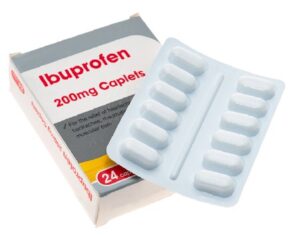
The most common NSAIDs for persistent pain are Ibuprofen and Naproxen and can be useful for some people with persistent pain.
NSAID are recommended in NICE guidelines for low back pain and osteoarthritis pain. You may also find them useful for joint and muscle pain, headaches and pelvic pain.

The evidence suggests that Ibuprofen 400mg three times a day or less and Naproxen 500mg twice a day or less have the least risk of side effects (stomach ulcers and reduced kidney function). To further reduce the risk of side effects the evidence suggests that NSAID should be used intermittently, not every day or for flare up management. If you use a NSAID every day your GP may recommend another medication to reduce the risk of stomach ulcers such as Omeprazole
You should check with your pain specialist or GP that it is safe for you take these medications. Your GP may not advice NSAIDs if you have a history of digestive problems, heart burn, indigestion, inflammatory bowel disease, heart disease, a history of stroke, high blood pressure or problems with your kidney function or if you are taking medication to thin your blood. Sometimes NSAIDs make asthma symptoms worse, although some people with asthma can take them without affecting their breathing.
Risks associated with NSAIDs also increase with age, if you are on blood pressure medication along side a water tablets and if you smoke. You should not take NSAIDs if you are or think you might be pregnant.
NSAIDs can be particularly helpful in a flare up of pain and should be taken at the lowest dose for the shortest time possible. NSAIDs are also often prescribed as gels which can make side effects less of a problem.
Only use one NSAID at a time, this includes topical gels. Please do not use topical NSAID at the same time as oral NSAID.
Neuropathic and nerve pain medication
Neuropathic and nerve pain medication
What is nerve pain?
- Pain due to damage or dysfunction of the
- Nerve pain can feel like burning, shooting, stabbing, electric shocks, pins and needles, numbness and affected areas can very sensitive to even light
- Examples of nerve pain include sciatica, phantom limb pain, complex regional pain syndrome, diabetic neuropathy.
- People with Fibromyalgia often describe a lot of nerve type
Medication for nerve pain won’t help everyone, on average only about 50% of people do get some benefit from these types of medications, even if they do help they won’t get rid of your pain, the aim is to make your pain more manageable and allow you to function better.
NICE guidelines recommend to offer a choice of:
In the last few years many guidelines have removed the recommendation to use Gabapentin and Pregabalin for some types of nerve pain because of the lack of evidence of effect and also the risk of addiction, dependence, withdrawal and tolerance, these include the sciatica guidelines and Fibromyalgia guidelines.
Further information on improving information supplied with Gabapentinoids (Pregabalin and Gabapentin), Benzodiazepines and Z-drugs
Opioids in persistent pain
Opioids in persistent pain
Opioids are drugs related to morphine.
Weak opioids include: Codeine, Co-Codamol, Dihydrocodeine, Co-Dydramol
Strong opioids include: Morphine, Oxycodone, Tramadol, Fentanyl, Buprenorphine patches.
Opioids are unhelpful in persistent pain, for most people. You can get used to opioids, so that you need more and more to have the same effect: this is called building up tolerance.
We know that high doses of opioid medicines taken for long periods are associated with several long-term side effects, including addiction and dependence. There is also a chance that taking high doses of opioids will actually make your pain worse. For all these reasons your pain specialist and GP may advise against prescribing opioids for long term pain and they can also support you in reducing opioids.
Side effects of opioids can include:
- Constipation
- Drowsiness
- Nausea and vomiting
- Respiratory depression (slow and less effective breathing)
- Disturbance in hormone levels
Key messages
- Opioids are very good analgesics for acute pain and for pain at the end of life but there is little evidence that they are helpful for long term pain.
- A small proportion of people may obtain good pain relief with opioids in the long term if the dose can be kept low and especially if their use is intermittent (however it is difficult to identify these people at the point of opioid initiation).
- The risk of harm increases substantially at doses above an oral morphine equivalent of 120mg/day, but there is no increased benefit: tapering or stopping high dose opioids needs careful planning and collaboration. The recommended maximum oral morphine equivalent daily dose is 50mg/day.
- If a patient has pain that remains severe despite opioid treatment it means they are not working and should be stopped, even if no other treatment is available.
- Chronic pain is very complex and if patients have refractory and disabling symptoms, particularly if they are on high opioid doses, a very detailed assessment of the many emotional influences on their pain experience is essential.
Drugs and driving
Drugs and driving: The law
Drugs and driving: The law
Taking some pain medications, such as opioids, Pregabalin and Gabapentin can affect your ability to drive. It is important, if you take these medications, to be aware of the following:
- It is illegal in England, Scotland and Wales to drive even with legal drugs in your body if it impairs your driving. It is also an offence to drive if you have over the specified limits of certain drugs in your blood and you have not been prescribed them.
- Please read and be aware of information about driving whilst on drugs
How to produce your own endorphins
How to produce your own endorphins
Your body can produce natural pain killers. They work by binding to the opioid receptors in the brain to block the perception of pain. An increase in the production of these hormones can reduce pain.
Your body can also produce Serotonin, this helps to regulate mood, increase feelings of well-being, pleasure and satisfaction.
Some of the ways that we can start to stimulate production of these ‘feel good’ hormones are:
Laughter

A good laugh has great short-term effects. When you start to laugh, it doesn’t just lighten your load mentally, it actually induces physical changes in your body.
Laughter:
- stimulates many organs. Laughter enhances your intake of oxygen-rich air, stimulates your heart, lungs and muscles, and increases the endorphins that are released by your brain.
- activates and relieves stress response. A good belly laugh fires up and then cools down your stress response, and it can increase and then decrease your heart rate and blood pressure. The result? A good, relaxed feeling.
- soothes. Laughter can also stimulate circulation and aid muscle relaxation both of which can help reduce some of the physical symptoms of stress.
Laughter isn’t just a quick pick-me-up, though. It’s also good for you over the long term. Laughter may:
- improve your immune Negative thoughts manifest into chemical reactions that can affect your body by bringing more stress into your system and decreasing your immunity. By contrast, positive thoughts can actually release neuropeptides that help fight stress and potentially more-serious illnesses.
- relieve pain. Laughter may ease pain by causing the body to produce its own natural
- increase personal satisfaction. Laughter can also make it easier to cope with difficult situations. It also helps you connect with other people.
- improve your depression. Many people experience depression, sometimes due to chronic illnesses. Laughter can help lessen your depression and anxiety and may make you feel happier.
Regular exercise and movement

Exercise releases endorphins and Serotonin. Regular exercise that raises the heart rate also promotes deep sleep. This does not mean we have to go to the gym. We can exercise as part of our daily routine and incorporate gentle movement or stretches into our day.
While you wait for the kettle to boil there are some simple stretches and movements you could do. There are also a number of seated options for exercise. There is evidence to show that Tai-chi is particularly good for arthritis.
Being outside in the day light
Spending time outside in the daylight increases the release of Serotonin, which can have a positive effect on your mood. Doing things that make you happy.
Sleep

Getting enough sleep is important and is critical for promoting healing, employ a variety of sleep aids; regular exercise that raises our heart rate helps to promote a deeper, better quality sleep.
Relaxation, mindfulness and visualisation

Regular use of visualisation and meditation also helps to get you to sleep and to get a deeper more relaxed and more refreshing sleep. It is the regular practice of relaxation techniques that is a key factor.
Please look at the following websites for some really useful relaxation tips:
Heat and ice
Applying heat can ease discomfort; hot baths, hot water bottles and various types of heat pads, ranging from heat pads that can be microwaved to ones that use battery power and last for a longer period. Superficial heat relieves pain in a number of different ways. It stimulates thermos receptors in the skin and deeper tissues.

Ice: Cold compresses can help to reduce inflammation and also may slow nerve impulses, which can interrupt the pain signals. Gel packs. Cold compresses can be used between 15 to 30 minutes time periods up to 2 to 3 times per day.
Distraction techniques
There are a number of distraction techniques that can help to reduce pain. When we use these techniques we find ourselves in the ‘flow’ of what we are doing. When we are in the state of ‘flow’ we become more relaxed and it is a ‘mindful’ state.


Progressive muscle relaxation (PMR) techniques
Progressive muscle relaxation (PMR): PMR is a safe technique, in double blind randomized clinical trials the use of PMR was found to decrease the intensity of pain. A further study showed that online relaxation techniques were found to be effective in reducing chronic headaches. Phone applications can also be helpful in conditions like chronic neck and back pain. (Posadzki)
Pet therapy

Therapy visits with dogs have been shown in studies to reduce blood pressure and heart rate. In a study therapy dogs went into the waiting room of an outpatients pain management facility.
The dog visits were shown to significantly improve emotional distress and promote feelings of wellbeing. Marcus et al (2012)
Music therapy

Research supporting the use of music therapy to increase patient comfort is widely accepted and practised. Music therapy may help reduce pain and anxiety during painful procedures. Redding et al (2016)
Research has shown that listening to music can reduce anxiety, blood pressure, and pain as well as improve sleep quality, mood, mental alertness, and memory.