
Healthy body healthy you
Myths about exercise and activity
Myth: Exercise wears out joints.
Fact: Exercise is actually healthy for our joints and protects them.
Myth: If it hurts it must be doing damage.
Fact: In long term pain this is rarely the case. If in doubt ask.
Myth: Always lift with a straight back.
Fact: The back is a very strong structure and it can handle bending and lifting. Everyone is different. Lift in the way that works for you.
Myth: People with pain should only do specific exercises.
Fact: All sorts of exercise are good for you. You might have to make some adjustments but nothing should be totally off limits.
The biggest myth
- We have all been told our posture isn’t very good. It’s been blamed for pretty much everything.
- What we know now is that there is no such thing as ‘good’ or ‘bad’ posture when it comes to pain.
- Mixing up the way you sit and stand is often the best way.
Physical activity and exercise
Physical activity is any movement that requires energy. Exercise is any activity that makes you fitter or stronger.

The main types of exercise are:
- Cardiovascular (heart and lungs)
- Strength training
Any amount of physical activity or exercise has benefits no matter how small.
How to get started
- Find something you enjoy, for example gardening, walking, exercise groups.
- Try something new but remember to start small and to build up slowly.
- Increase your current activity level. For example walk up the stairs a few more times a day.
- Have a plan and prepare for any setbacks.
- Use the table below to allow you to plan your goals and work on them each week.
- Try to have a good balance of your activity throughout the day and remember to pace yourself.
| Goal | Target | Day 1 | Day 2 |
| For example, Walking to shop | Walk 200 yards every day | ||
Supporting information
Challenges to moving more
Challenges to moving more
Challenges to moving more
- Motivation
- Worry
- Fatigue
- Low mood
- Not knowing where to start
- Avoidance
- Cardio-respiratory
- Heart failure
- COPD
- Asthma
- Sleep apnoea
- Restless legs syndrome
- Low mood and depression
- Avoiding anything that could possibly trigger pain
- Pushing through regardless of pain can lead to the over activity or rest trap (this is explained more below).
The overactivity rest trap
Before you set up your own pain plan, it’s important to know how not to get active! One of the reasons people get trapped in the pain cycle is something called the ‘overactivity rest trap’. Julie was in this trap.
- Julie loved her house but her pain meant it was getting in a mess. One Saturday she felt a bit better.
“Right, this is it… I’m going to tear into it and do as much as I can.”
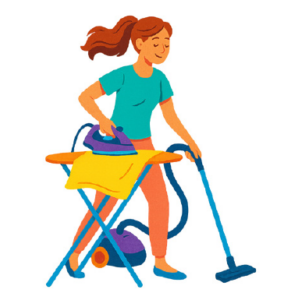
- After an hour…
She thought “This is killing me but I’ve got to beat it.” “The hard work will do me good. No pain, no gain!” She worked hard all day.
For the next three days she was in agony and had to rest! She was too tired and in too much pain to do anything else.
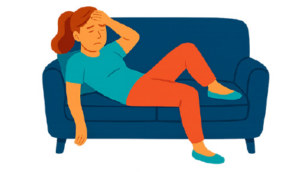
- Three days later…
“At last! I’m feeling a bit better. I’ll have another go.” But this time even by lunch time she was already in bad pain.
“It’s no good, I can’t go on. I’ve done even less this time, I’m going to have to stop.”
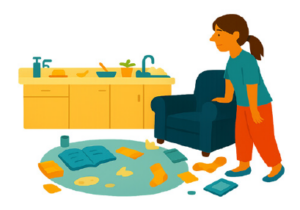
- Three weeks later…
“I can’t face it, the pain flares up every time I try to clean the house. It’s just too much for me. It’s hopeless! Someone else will have to do it.”
- Six months later…
“I had to give up doing the housework. Now even small things like washing up are getting too much. The mess is so depressing!”
“It’s not just that the pain is getting worse. I also seem to be getting weaker. There must be something causing it but they say they can’t find anything! I’m only 45! What will I be like in ten years!”
Possible solutions

- Start with something small and easy.
- Start with friends or in a group.
- Have a look at some of the links at the end of this book for ideas on increasing your activity levels.
- Can you think of any ways of managing these obstacles?
- Goal setting.
- Pacing.
Pacing
Pacing

People often find they do less and less over time often while trying to do more. Often people try and do as much as they can on a good day then suffer for it the next few days, ‘boom and bust’ and ‘overactivity or rest trap’.
Types of pacing
- Finding out what you can reasonably manage every day without flaring symptoms.
- Measure with time or how much activity you can manage.
- This can be challenging and will take some planning. Use your goal sheets.
- Because pain is complicated you may have to be flexible. For example; if you’ve had a bad nights sleep you may not be able to do as much.
- Slowly build up what you can manage over time.
- Have a setback plan.
- Have realistic goals.
- Be careful as pacing can easily slip into doing less and less unless you have a good plan and goals.
- Do what you planned not what you feel like and don’t be tempted to overdo it on a good day.
Benefits of moving more
- People report increase quality of life
- More energy and strength
- Better sleep
- Able to do things you enjoy
- Good for heart and other organs
- Good for immune system
- Can help with stress
Food
Food
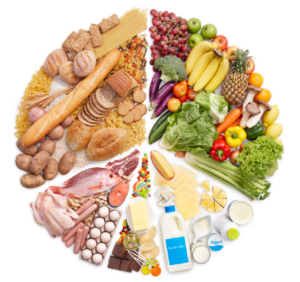
- Excess weight has lots of potential negative effects on your health.
- It also has an impact on the level of pain a lot of people feel.
- It can also make daily living harder and impact on your fitness.
- There are many ways people use to lose weight but they all come down to burning more calories than you take in.
- If you feel you would like support, use the useful links
Smoking
Smoking
- It is well know that smoking has lots of negative effects on your health. What’s less well known is that it can have a significant impact on the level of pain people feel, especially nerve pain.
- If you smoke and would like support, please look at the links at the end of this book.
Homework
- Continue working on your relaxation goal.
- Begin working on your activity goal.
- Check out information about activities or services available online or locally to assist you with being more active and eating healthily
Further support and advice
Further support and advice
- Escape Pain: Run exercise groups
- NHS Better Health: Support to quit smoking, lose weight, get more active and drink less
- Active Leeds (Leeds Encouraging Activity in People (L.E.A.P)): Access to gym, pool and numerous classes available with the Leeds City Council leisure centres.
- Nuffield Health Joint Pain Programme: 12 week exercise and educational workshops followed by free gym access up to 6 months.
- Versus Arthritis (Let’s Move with Leon): 12 week programme of 30-minute movement recorded sessions, full body program, aims to improve strength, flexibility and cardiovascular fitness.
- Escape Pain exercise videos: Exercise and educational videos for back, hip and knee pains
- Couch to Fitness: 9 week fitness plan, 30 minutes workouts, can download app and follow from home.
- NHS Fitness studio