


Why are development reviews important?
9 to 12 month review
Your baby is reaching exciting milestones! Around this age, they may start moving more, babbling, and improving their hand-eye coordination. This review helps us check their progress and spot any delays early, so we can offer the right support if needed.
2 to 2.5 year review
Toddlers grow and learn so quickly at this stage. Around age two, children often begin talking more, playing alongside others, and developing social and emotional skills. This review helps identify any concerns early, giving your child the best start before school.
What will we talk about?

You may also want to talk about any of the topics below:
- Behaviour, growth, sleep, and eating habits
- Potty training, dental health, vaccinations, and safety
- Screen time, keeping active, and school readiness
- We’ll also check in on your wellbeing as a parent
Appointment information
My appointment
My appointment

Where possible, we encourage both parents to attend your child’s development reviews.
Your child’s development reviews will be carried out by a 0 to 19 family health worker or a specialist public health nurse.
We will contact you by text and by letter with an appointment which may be either a home visit or an invite to attend a local clinic setting or Children’s Centre.
We will also ask you to complete an ages and stages questionnaire (ASQ) about your child’s development before we see you at your appointment. It is important that you have completed this ASQ before your appointment. If you have any difficulty completing this, please call us on 0113 843 5683. We can arrange a longer appointment so a member of our team can help you on the day.
Or, if your child attends a nursery or childminder setting, then they may be able to help you complete the ASQ.
Areas of development
Communication
Communication
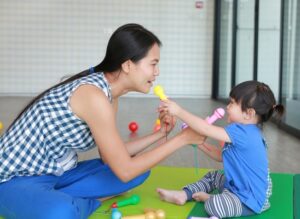
How your child listens, understands, and uses sounds, gestures, or words.
Examples:
- Responding to their name
- Pointing
- Making sounds
- Using single words or short sentences (depending on age).
Gross motor skills
Gross motor skills
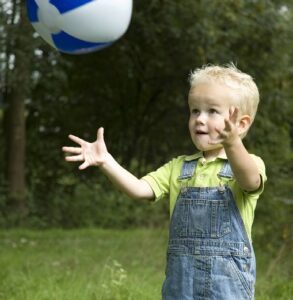
Big movements using larger muscles.
Examples:
- sitting
- crawling
- standing
- walking
- running
- climbing
- kicking or throwing a ball.
Fine motor skills
Fine motor skills
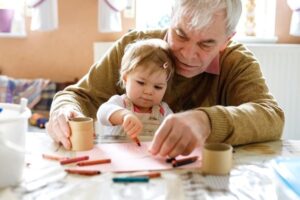
Small movements using hands and fingers.
Examples:
- Picking up small objects
- Holding a spoon
- Stacking blocks
- Scribbling with a crayon, turning book pages.
Problem-solving skills
Problem-solving skills
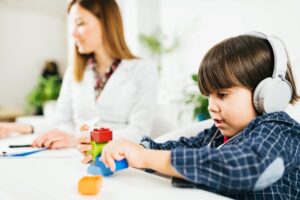
How your child learns, explores, and works things out.
Examples:
- Fitting shapes into a sorter
- Figuring out how to get a toy
- Copying actions, following simple instructions.
Personal and social skills
Personal and social skills

How your child relates to others and manages their own feelings.
Examples:
- Smiling at familiar people
- Showing interest in other children
- Playing alongside or with others
- Showing independence (feeding themselves, trying to dress)
- Beginning to share or take turns.
Growth and measurements
Growth and measurements
Measurements
During the review you will be offered for your child to be weighed and their height measured to make sure they are growing healthy.
At the 9 to 12 month development review your child can also have their head circumference measured.
Please remember to bring your child’s Red Book (Personal Child Health Record (PCHR)) so we can record this.