To explore how the brain has developed (old brain vs new brain)
To understand how the brain responds to threat
To understand what compassion is and why it’s so important
Breakdown
This video explains that the brain has older more instinctual drives but the processes of the newer brain make us think more and can conflict with the old brain.
That conflict can lead to criticism, blame, self disbelief. The ‘old brain’ is trying to protect you but it doesn’t need to. Please watch this video for more information.
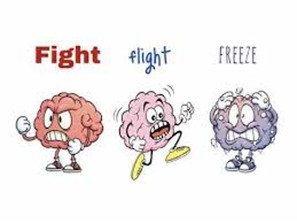
Thinking about a stroke can evoke the fight, flight or freeze response in the old brain.
This is also known as the ‘threat’ response
In threat we lose out ability to think properly, hence, why we can become anxious and low in mood
Fight
This response involves confronting the threat directly, either physically or verbally. It can manifest as aggression, assertiveness, or a proactive attitude to overcome the perceived danger.
Flight
This response involves physically or emotionally escaping the threat. It includes running away, hiding, or creating distance from the perceived danger.
Freeze
This response involves becoming still and immobile, often described as a state of paralysis or being “frozen”. This can be a way to avoid detection by a predator or to conserve energy
Anger and self-criticism are normal after stroke. Some examples of this are;
Slow recovery
Finding things harder
Changes in emotions and behaviour.
Frustration and worry
Can apply to both patients and their carers
Think about the past week or so: Have you criticised yourself for not being able to do something or feeling less than yourself?
How does that make you feel?
Is there another way of looking at it?
Would you have said that to someone else? what might you have said to someone else if they were in your shoes? would you have approached it differently if it had been someone else?
Feeling angry, sad, frustrated and anxious following a stroke are normal responses.
It is nor weak and it does not mean that you are not coping.
Beating yourself or other people up and adding guilt and shame doesn’t help.
Compassion is particularly important after stroke because you’ve been through something very difficult.
How you treat yourself will either:
make it worse (if you’re critical of yourself and other people)
make it easier (if you’re compassionate towards yourself and others)
Self to self: Showing compassion to your self
Self to other: Compassion directed to another person/people
Other to self: Compassion received from others
Remember…
taking time for yourself to do things you enjoy
Treat yourself how you would treat someone else in your position
Using kind language
Practice makes almost perfect!!
Be kind to yourself about being critical towards yourself!



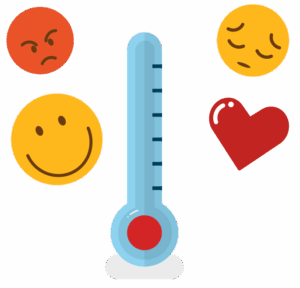 Feeling angry, sad, frustrated and anxious following a stroke are normal responses.